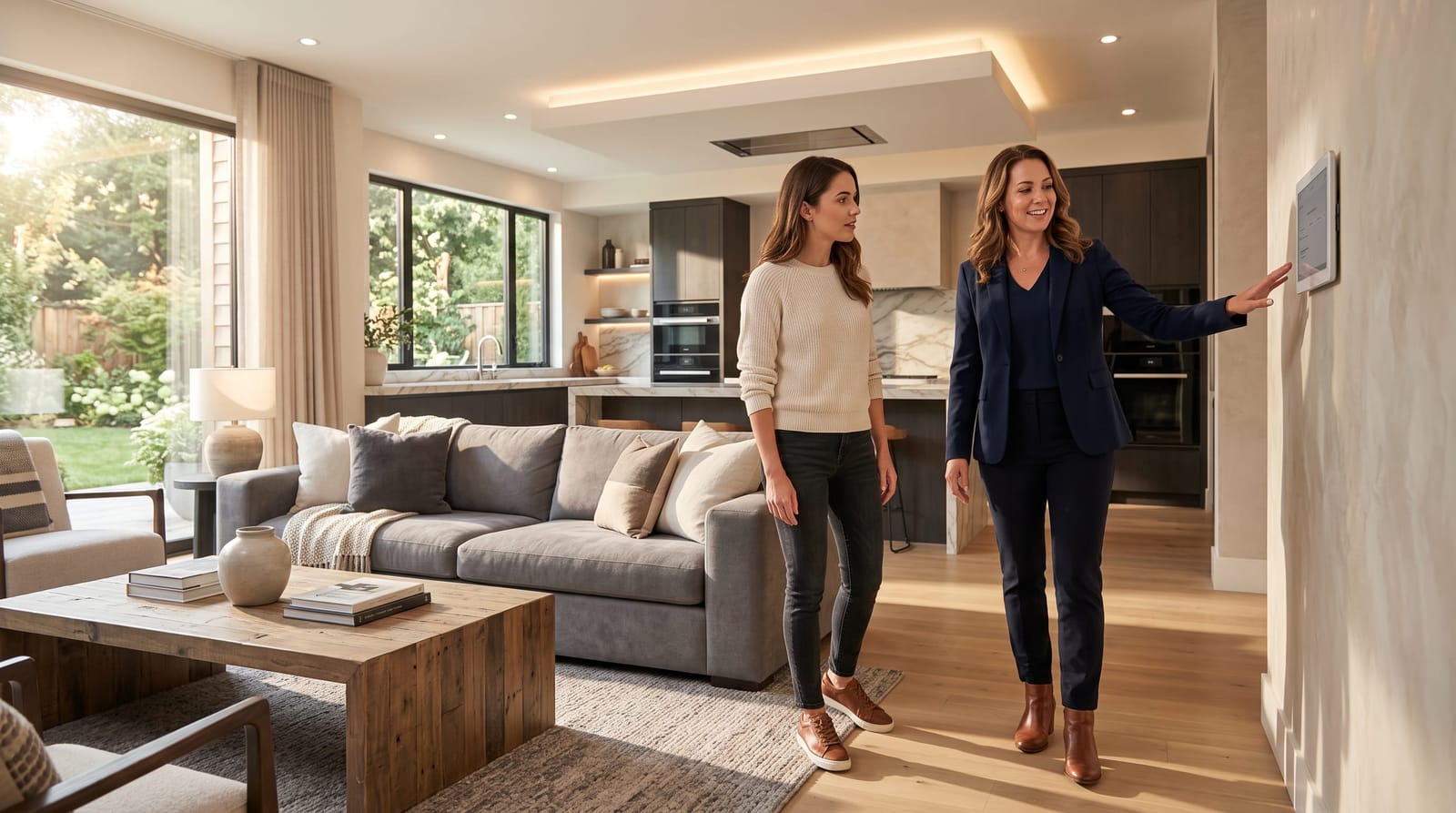
Can You Add Smart Home Automation to an Existing Luxury Home Without Rewiring?
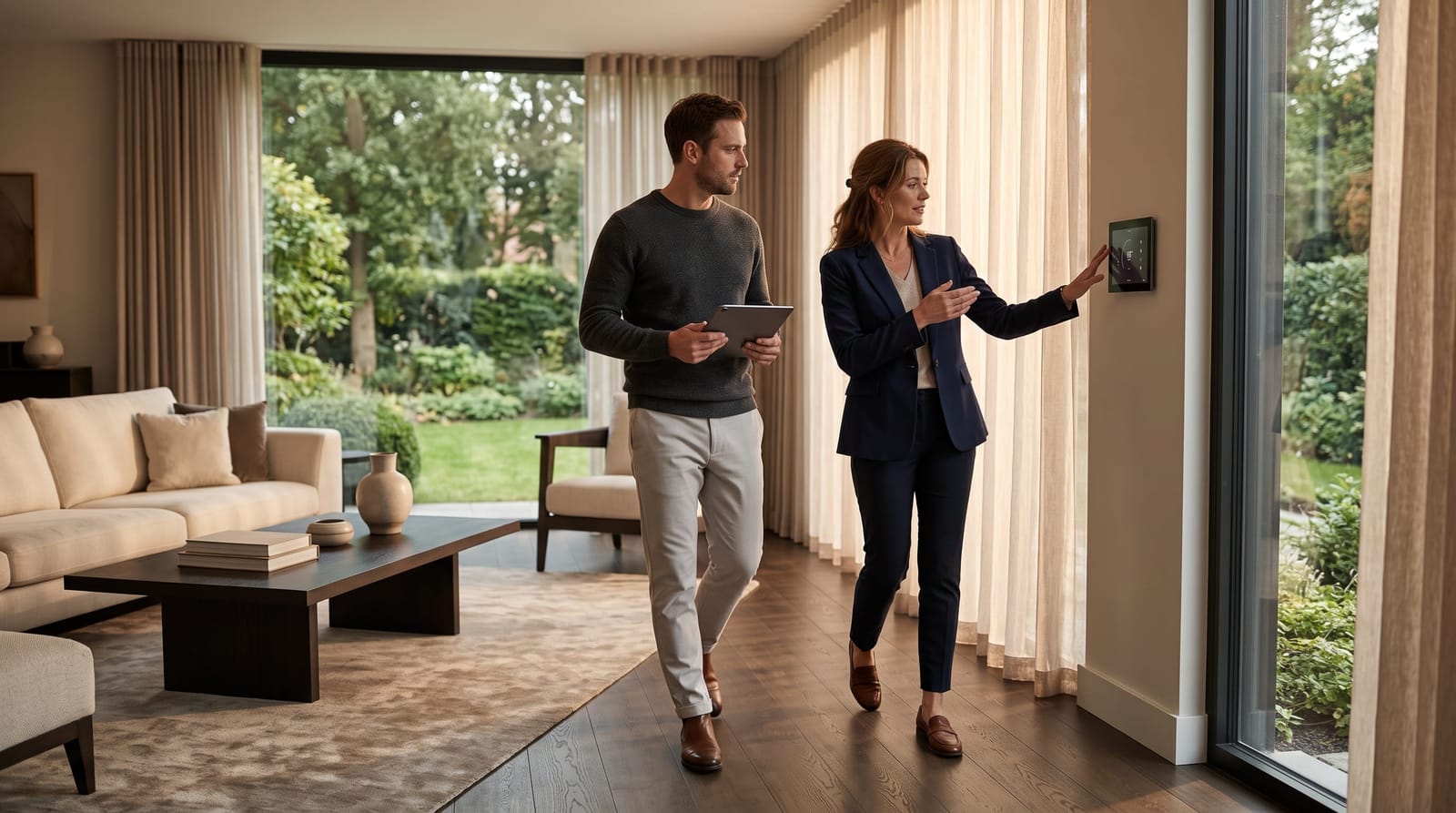
One of the most common questions homeowners ask before pursuing retrofit smart home automation for an existing home is whether a finished luxury residence can actually support full-scale automation, or whether walls need to come down first. It's a fair concern, especially in established Los Angeles neighborhoods where homes are fully built out, beautifully finished, and not candidates for major renovation. The short answer is: yes, sophisticated whole-home automation is absolutely achievable in an existing home. But the path to get there depends on your goals, your home's current infrastructure, and which systems matter most to you. Here's how to think through it.
Step 1: Understand What "Retrofit" Actually Means in Smart Home Automation
Retrofitting means integrating smart technology into a home that was not designed for automation from the ground up. Unlike new construction, where conduit, low-voltage wiring, and control pathways can be planned before drywall goes up, a retrofit requires working within an existing structure. According to industry estimates, more than 80% of smart home installations in the United States are retrofits rather than new builds, which means the technology has evolved specifically to handle this scenario.
Modern retrofit smart home automation for existing homes relies heavily on two approaches: wireless communication protocols and in-wall smart device replacement. Wireless systems, using Z-Wave, Zigbee, Wi-Fi, or Thread, eliminate the need to pull new signal wiring throughout the home. Devices communicate with each other and with a central hub or processor through radio frequencies that pass through walls without modification. In-wall replacement involves swapping standard switches, dimmers, and outlets for smart versions that fit in existing electrical boxes, often requiring only a licensed electrician for a clean, professional result.
The result is a home that can achieve 90% or more of what a new construction smart home delivers, unified lighting control, automated HVAC, motorized shading, security integration, and whole-home audio, without touching a single wall or ceiling surface.
Step 2: Identify Which Systems Can Be Automated Wirelessly (and Which Can't)
Not all smart home systems are equally retrofit-friendly. Understanding this distinction helps you set realistic expectations and prioritize your investment.
Systems That Retrofit Exceptionally Well
- Lighting control: Smart dimmers and switches replace existing plates and communicate wirelessly. Systems like Lutron Caséta and RadioRA 3 are purpose-built for retrofit installations and are widely trusted by professional integrators for their reliability.
- Climate control: Smart thermostats and wireless zone sensors integrate with most existing HVAC systems with minimal disruption.
- Security and access: Smart locks, video doorbells, cameras, and motion sensors are almost entirely wireless and install without structural changes.
- Motorized shading: Battery-powered or rechargeable motorized blinds and shades from brands like Lutron Serena or Somfy require no wiring at all.
- Whole-home audio: Wireless speaker systems can deliver distributed audio to every room without in-wall speaker wire in most configurations.
Systems That May Benefit From Targeted Wiring
- Fixed in-ceiling speakers: Wired in-ceiling audio delivers noticeably superior sound quality. If your home has an attic, crawl space, or accessible ceiling cavities, targeted wire runs are often feasible without major disruption.
- Hardwired lighting fixtures: Custom chandeliers and architectural lighting typically need hardwired smart drivers rather than wireless bulbs.
- Outdoor and landscape systems: Low-voltage landscape lighting and irrigation automation can sometimes benefit from a dedicated wired pathway, though wireless options are improving rapidly.
Step 3: Evaluate When Selective Rewiring Is Worth It
Rewiring an entire finished home is rarely justified for automation purposes alone. However, selective wire runs, targeted pulls to specific locations, are often low-impact and high-return. A skilled integration team can identify opportunities to run wire through existing pathways: inside walls during a cosmetic renovation, through attic spaces, or along baseboards with decorative raceway.
The most common scenario where selective wiring adds meaningful value is whole-home audio. Studies comparing wired versus wireless audio systems consistently show wired configurations deliver lower latency and more reliable multi-room synchronization. If you entertain frequently and audio quality matters, a partial wire pull during any planned repainting or cosmetic update can be well worth the added coordination.
A general rule of thumb used by professional integrators: if a surface is already being opened for any reason, a plumbing repair, an HVAC upgrade, a kitchen or bath renovation, that's the ideal time to run conduit or low-voltage cabling for future automation needs. Planning even one or two wire runs opportunistically can meaningfully expand your long-term options.
Homeowners considering properties in areas like Malibu or coastal communities should also account for unique environmental factors; you can learn more about environment-specific considerations in Smart Home Automation in Malibu: What Coastal Properties Need to Know.
Step 4: Choose the Right Integration Platform for Retrofit Success
This is where retrofit projects can go sideways without professional guidance. Consumer-grade smart home products, purchased individually from a retail store or online, often create fragmented ecosystems that don't communicate reliably with each other. Research consistently shows that homes with 3 or more disconnected smart home apps report significantly lower satisfaction than homes on a unified control platform.
Professional-grade platforms designed for retrofit smart home automation in existing homes, such as Control4, Crestron, or Savant, are built to unify devices from dozens of manufacturers under a single interface. This means your lighting, HVAC, security cameras, shading, and audio all respond to one app, one touchscreen, or one voice command, regardless of which wireless protocol each device uses underneath.
The platform choice also determines how well your system scales. A properly configured professional system installed today can incorporate new technology as it emerges, without replacing the core infrastructure you've already invested in.
Frequently Asked Questions
Will wireless smart home devices be as reliable as wired systems?
For the vast majority of automation functions, lighting, climate, security, and shading, wireless systems installed by a professional integrator on a properly configured network perform with extremely high reliability. The key variable is network quality: a dedicated, professionally designed Wi-Fi and mesh network supporting your smart devices dramatically reduces the interference and dropout issues associated with consumer-grade setups.
How long does a retrofit smart home automation installation typically take?
Timeline varies significantly based on scope. A focused retrofit covering lighting, climate, and security in a large home can often be completed in 3 to 7 days of installation time, with pre-programming happening off-site. More comprehensive projects involving whole-home audio, advanced shading, and full AV integration may span 2 to 4 weeks. A professional integrator will assess your home and provide a detailed project timeline during the consultation phase.
Can I add automation in phases rather than all at once?
Yes, and for many homeowners, a phased approach makes excellent sense. Starting with high-impact, high-visibility systems like lighting control and climate, then adding shading, audio, and security over time, allows you to experience the benefits immediately while managing the investment across a schedule that fits your priorities. A properly designed system built on a scalable platform makes phased expansion straightforward.
Does retrofit smart home automation affect my home's resale value?
Professionally integrated smart home systems are increasingly viewed as a premium feature among luxury homebuyers in Los Angeles. While specific value impacts vary by property and market conditions, homes with well-documented, professionally installed automation systems tend to stand out in the high-end market. For guidance on how automation affects your specific property's value, consulting with a real estate professional familiar with the luxury Los Angeles market is recommended.
The Bottom Line: Your Existing Home Is Ready for Full Automation
Retrofit smart home automation for an existing home is not a compromise: it's the standard path that the majority of luxury homeowners take, and today's wireless technology and professional integration platforms are built precisely for this scenario. Whether your home is in Bel Air, Pacific Palisades, or the Hollywood Hills, full-scale automation covering lighting, climate, security, shading, and audio is well within reach without a renovation. The most important step is working with an experienced integration partner who understands both the technology and the specific demands of Los Angeles luxury properties. Schedule a consultation to walk through your home's current infrastructure and design a system built around how you actually live.