Circadian Lighting: How LED Circadian Rhythm Lighting Transforms Health and Wellbeing at Home
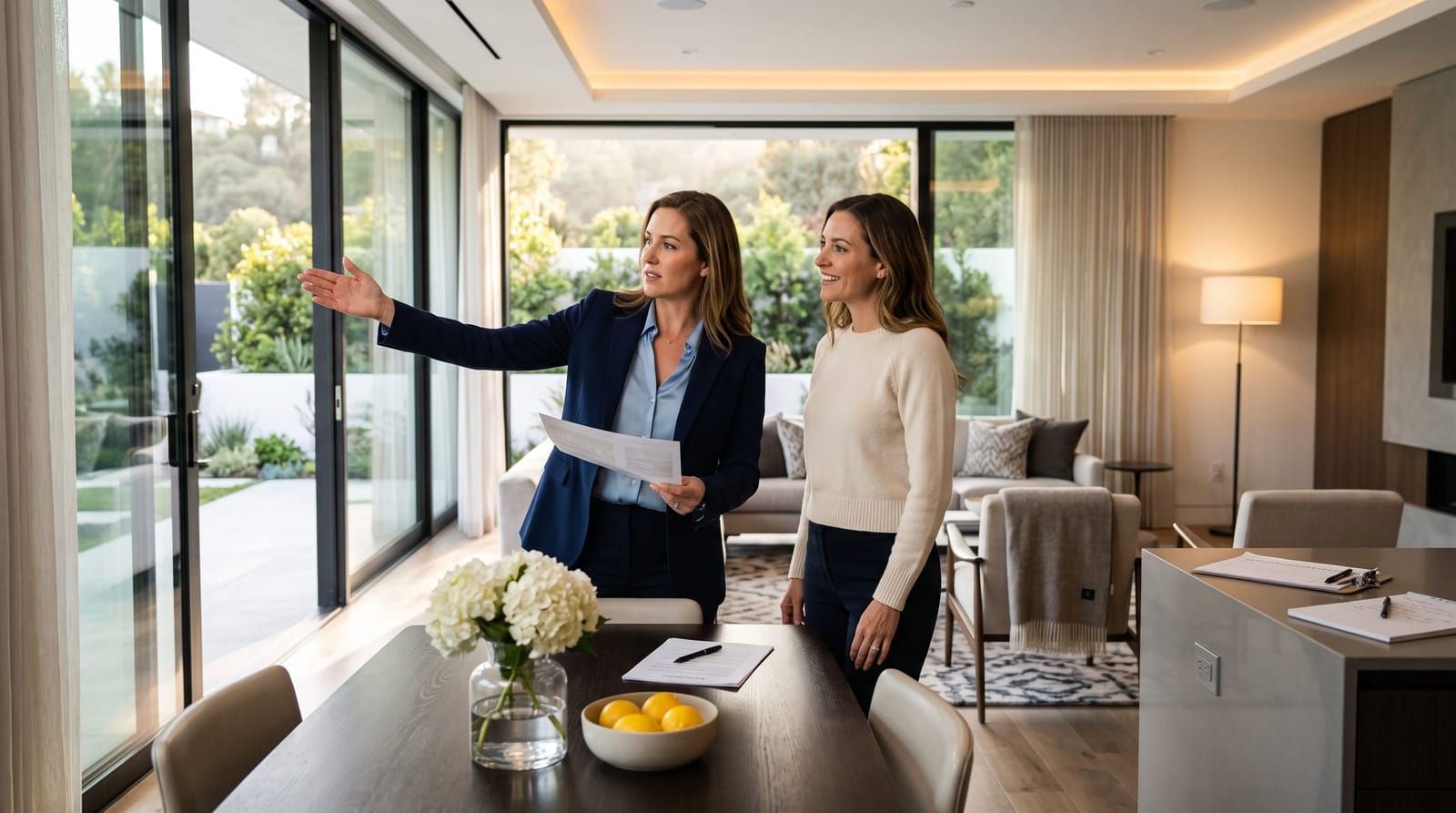
Circadian lighting home automation adjusts the brightness and white tone of compatible lighting throughout the day. Instead of keeping every room under the same light from breakfast to bedtime, it creates settings suited to different activities: brighter illumination for daytime tasks, warmer light for evening gatherings, and subdued lighting for late-night movement.
The practical benefit is a home that needs fewer repetitive adjustments while offering more deliberate lighting for each part of the day. The design depends on more than warm-versus-cool light. Intensity, daylight, fixture placement, and the household’s routines all matter.
At Smart Homes Innovations, based in Van Nuys, we offer LED circadian lighting as part of our customized home automation solutions. Within a luxury lighting control system for a Los Angeles home, this approach connects architectural illumination with how each room is used.
What Circadian Lighting Means at Home
“Circadian lighting” describes lighting designed with the body’s daily sleep-wake rhythm in mind. In residential automation, it usually involves scheduled changes in brightness and white tone. Three related concepts help clarify what a lighting proposal includes:
- Tunable white lighting: Fixtures can produce different shades of white, from warmer to cooler appearances.
- Adaptive lighting: Automation changes lighting according to time, daylight, occupancy, or another input.
- Circadian-oriented design: The lighting plan considers daily rhythms and the timing of light exposure alongside the room’s visual requirements.
These capabilities serve different purposes. A tunable white fixture offers an adjustment range; automation determines when it changes. The design brings those functions together in a way that suits the room and its occupants.
For example, the Home Assistant community’s Advanced Circadian Lighting blueprint describes adjustments based on presence, time, and sun position. Those are possible programming inputs. Choosing among them depends on whether a room needs to follow a fixed routine, changing daylight, or someone entering the space.
Why White Tone Is Only Part of the Design
Light is one of the environmental signals involved in the body’s daily timing. A residential lighting plan also has an immediate visual task: making spaces comfortable and useful for cooking, reading, entertaining, and moving through the home.
Color temperature describes appearance
Color temperature, expressed in Kelvin, describes whether white light looks warmer and more amber or cooler and more blue-white. It helps define a room’s visual character, but it does not fully describe the light’s spectrum or biological effect.
Two fixtures with a similar advertised white tone can still render materials differently. Comparing them on the basis of color temperature alone overlooks how they illuminate stone, timber, artwork, upholstery, and faces.
Brightness and placement shape the experience
A ceiling full of bright warm light can still feel intense late in the evening. A localized reading light creates a different experience from illuminating the entire room, even when both use the same white tone.
A considered scene balances overhead lighting, illuminated walls, lamps, decorative fixtures, and daylight. For an evening gathering, that might mean dimming general illumination while retaining light over a dining table and selected artwork. Changing white tone while leaving every fixture at full output addresses only one part of the atmosphere.
Keep wellness expectations grounded
A lighting schedule is an environmental design choice, not a treatment for sleep or other health conditions. A person’s daily light exposure also includes time outdoors, workplace lighting, and evening activities. For persistent sleep concerns or health-specific questions about light exposure, a licensed physician can assess the individual situation.
Our discussion of circadian lighting and the evidence around sleep improvement explores the relationship between lighting and sleep in more detail.
Choose Fixtures for the Changes You Actually Want
Many tunable white fixtures blend different LED channels to produce a range of white tones. Compatible controls adjust that blend and the light output, allowing the same architectural fixture to look different throughout the day.
The fixtures, their electronic drivers, and the control platform need to work together. “Dimmable” means brightness can change; it does not necessarily mean the white tone is adjustable. A tunable fixture also needs suitable controls to follow an automated schedule.
Fixed white, dim-to-warm, and tunable white serve different roles
- Fixed white: Brightness changes while the nominal white tone stays the same.
- Dim-to-warm: The light becomes warmer as it dims, linking brightness and warmth.
- Tunable white: Compatible controls adjust white tone and brightness separately within the fixture’s supported range.
Dim-to-warm can suit decorative evening lighting where a softer, warmer appearance is the goal. Tunable white offers more flexibility in a room that needs bright warm light for entertaining and a different white tone for daytime tasks. Fixed white can remain appropriate for an accent that needs a consistent appearance.
The guide to tunable white LED lighting for the home examines these fixture choices in greater detail.
Evaluate visual quality, not just the adjustment range
A useful fixture demonstration includes low-level dimming, gradual transitions, and adjacent light sources shown at several settings. This reveals whether the room will look coordinated as the lighting changes.
Material samples belong in that review. A white tone that complements pale stone may produce a different impression on warm timber or richly colored upholstery. Reviewing the proposed fixtures alongside finishes helps preserve the interior designer’s intent.
How to Program Lighting Around the Household
Programming begins with routines rather than a single whole-home preset. Waking times, shared spaces, evening entertaining, reading preferences, and desired manual control all influence the schedule.
1. Map rooms by use and daylight
A glass-walled living room and an interior dressing room have different daytime lighting needs. A kitchen also changes roles throughout the day, from preparation and informal dining to cleanup and late-night access.
Separating task, ambient, decorative, and accent lighting into useful groups preserves that flexibility. A kitchen work surface can remain clearly illuminated without bringing every ceiling fixture and adjoining living area to the same brightness.
2. Choose what drives each transition
Fixed-time programming follows a predictable household routine. Sun-based programming changes with sunrise or sunset. Daylight sensors provide another input where the selected system supports them.
These approaches are not interchangeable. Sunset can be a useful cue for an evening scene, but it does not necessarily coincide with dinner or bedtime. A combined approach can follow natural light in living areas while keeping bedroom transitions tied to personal routines.
3. Coordinate lighting with shades
Motorized shades can be considered alongside lighting to coordinate natural and electric light. We integrate motorized shades with lighting systems so these elements can work within a shared control approach.
In hillside homes and rooms with expansive glazing, orientation and changing daylight make room-specific planning especially valuable. Views, privacy, and glare may call for different shade positions at different times. Lighting scenes can account for those positions rather than continuing on an unrelated schedule.
4. Define manual overrides and what happens afterward
A “Reading” or “Entertain” scene needs a clear relationship with the daily schedule. It might remain active until dismissed, until the room is vacated, or until a defined later transition, depending on the controls and intended behavior.
The important decision is when automation resumes. A scheduled update that immediately cancels a manual adjustment makes the system frustrating to use. Defining this behavior in advance keeps temporary preferences from competing with the program.
5. Review evening scenes after dark
An after-dark review reveals details that are difficult to judge during the day: overly bright accents, reflections in glazing, uneven dimming, and transitions that draw too much attention.
This is also the time to refine scene names and keypad functions. Controls labeled by activity, such as “Dining” or “Reading,” let residents choose the experience without managing brightness and white tone separately.
What a Day-to-Evening Lighting Plan Can Look Like
A useful plan gives each space its own behavior rather than changing the entire house at once. The following sequence shows how lighting choices can support different activities.
| Moment | Possible lighting behavior | Design consideration |
|---|---|---|
| Morning preparation | Selected rooms transition gradually into a daytime scene. | Separate routines keep one person’s early start from changing every bedroom. |
| Daytime activities | Task lighting remains available while ambient lighting responds to the room’s needs. | A desk or kitchen work surface may need a different setting from the surrounding space. |
| Evening gathering | Ambient illumination becomes warmer, with decorative lighting and selected accents taking prominence. | Dining and circulation remain usable without illuminating every surface equally. |
| Late-night movement | A dedicated scene activates selected low-level sources instead of the full daytime scene. | Placement and brightness are evaluated in the actual room, not only on a programming screen. |
For an evening that runs later than usual, an entertaining override can hold the preferred scene rather than allowing the schedule to move on automatically. That flexibility is as important as the schedule itself.
Where to Invest Design Attention First
Not every light source needs adjustable white tone. Prioritizing the rooms and fixtures where change serves a clear purpose can produce a more coherent result than specifying tunable white throughout the home.
- Frequently used, multipurpose rooms: Living areas and kitchens used from morning to evening offer several reasons to vary brightness and white tone.
- Signature decorative fixtures: A pendant or vintage fixture can remain a separately controlled layer rather than joining every white-tone transition.
- Shared bedrooms: Different waking and sleeping routines favor localized lighting and individual controls over a room-wide sequence.
- Existing fixtures in a retrofit: Compatibility involves drivers, wiring, control equipment, and fixture access, not simply the wall dimmer.
- Schedule adjustments: A clear handover explains scene names, overrides, and how household preferences can be revised.
For new construction, fixture locations, wiring, control zones, and keypad placement fit naturally into coordination between the lighting designer, architect, interior designer, electrical team, and integrator. In a finished residence, evaluating existing equipment first helps distinguish discreet control changes from work that requires opening ceilings or replacing fixtures.
What a Well-Defined Lighting Proposal Includes
A useful proposal identifies which fixtures change brightness, which change white tone, how rooms are grouped, and what triggers each transition. It also describes manual overrides and the review process for refining scenes in the home.
The final test is experiential: daytime tasks have appropriate illumination, evening scenes complement the interiors, and residents can change a setting without fighting the automation. Circadian-oriented lighting works best when the daily sequence feels considered, while the technology remains discreet.