How to Customize a Smart Home System to Your Lifestyle: A Luxury Homeowner's Guide
Most smart home frustrations share a common root cause. The system was never designed around the people living in it. Devices were added one at a time, apps multiplied, and routines never quite matched reality. For luxury homeowners exploring custom smart home system Beverly Hills solutions, the difference comes down to one thing: personalization built from the ground up. This guide walks you through exactly how a tailored smart home system gets designed, from the first discovery conversation to the automation scenes running silently in the background of your daily life. If you've already read through our pillar resource on luxury smart home system integration, this post goes deeper into the customization side of that process.
Step 1: Start with a Lifestyle Discovery Consultation
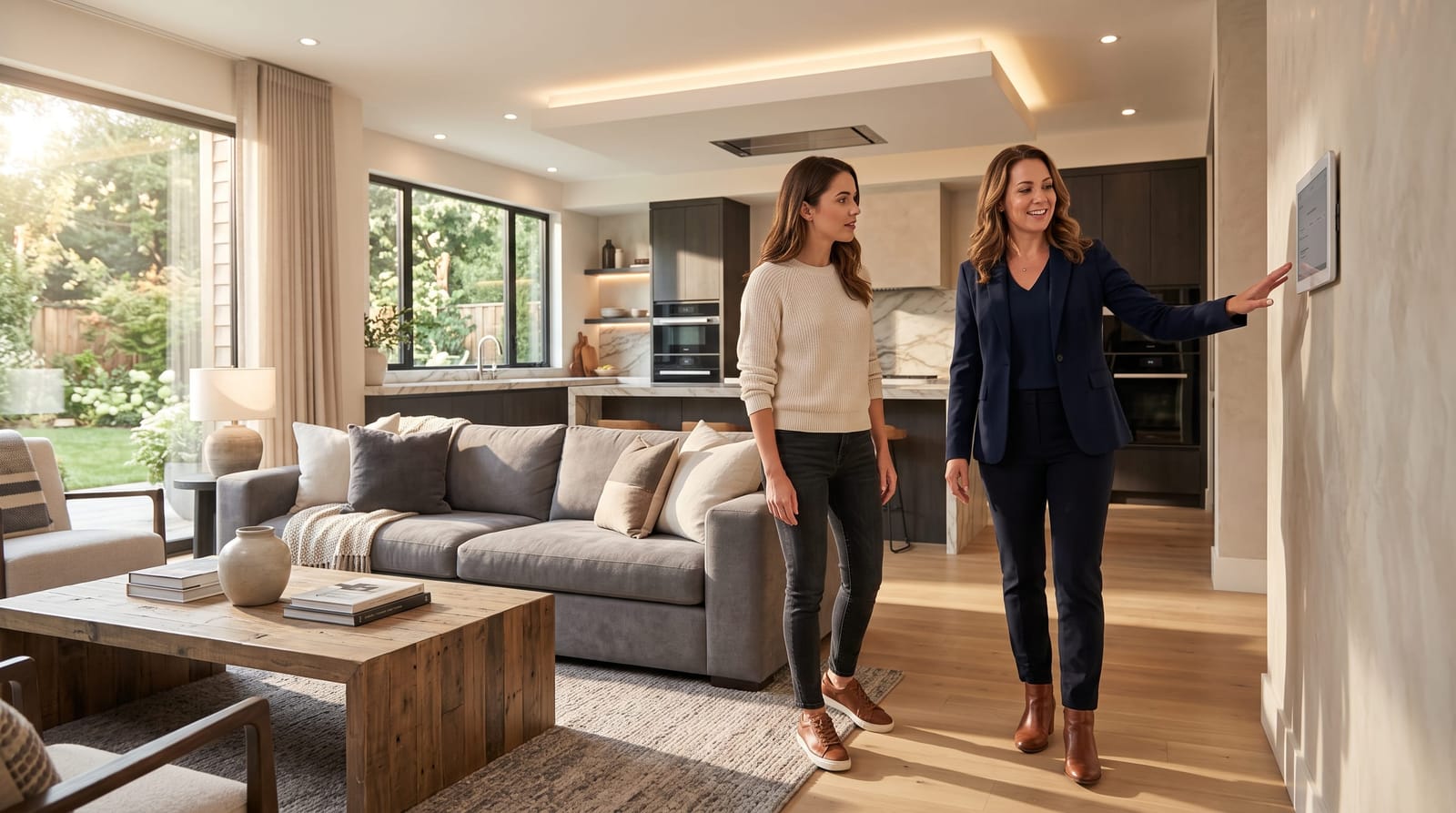
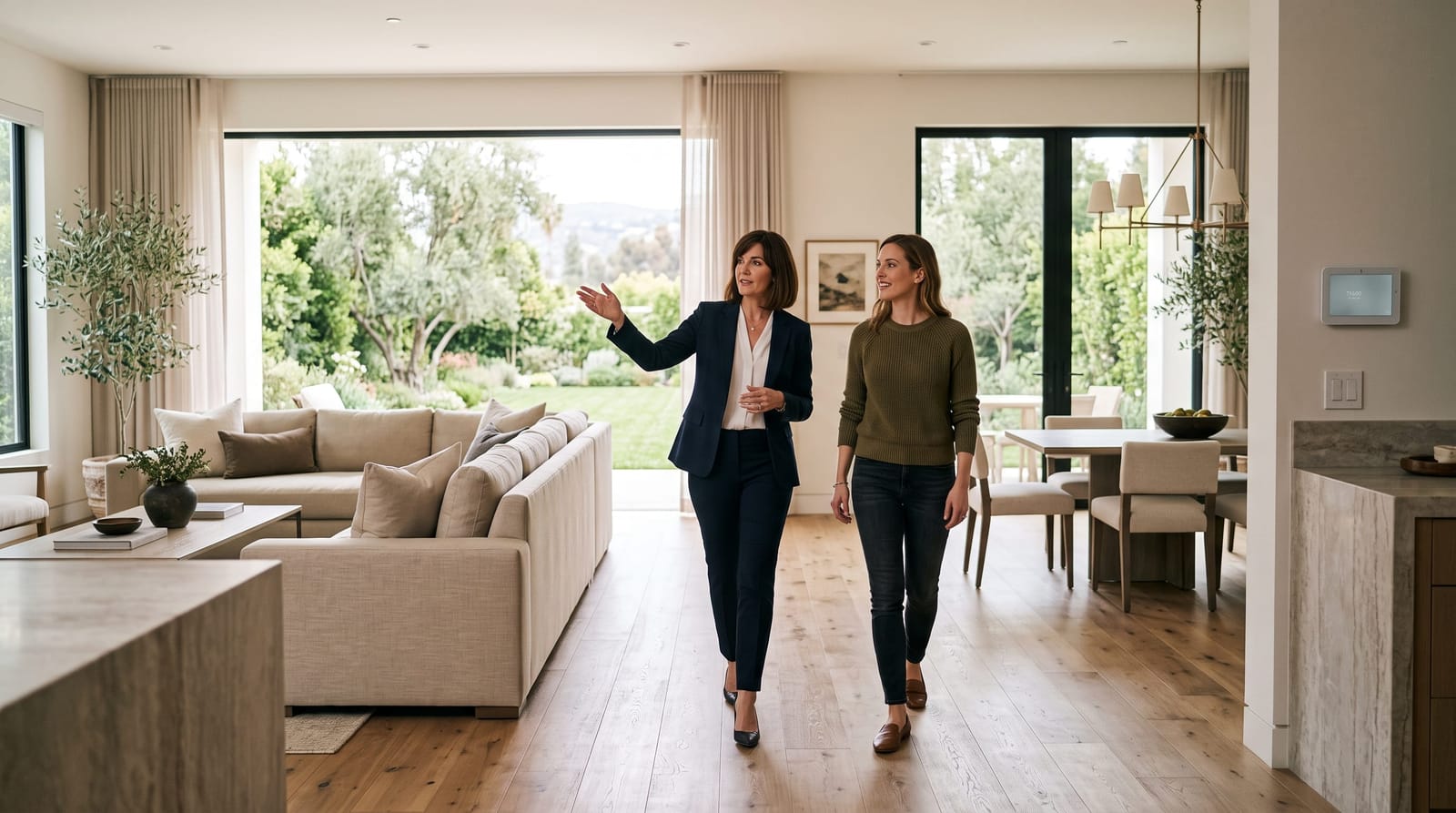
Before a single device is specified or a control interface is designed, the process begins with conversation. A skilled integrator doesn't open with a product catalog. They open with questions.
What time do you wake up? Do you work from home? How often do you entertain? Do you have children with different schedules? Do you travel frequently? These questions aren't small talk. They are the raw material from which your entire system gets built.
What a Discovery Session Actually Covers
A thorough lifestyle consultation maps several dimensions of how a home gets used:
- Daily routines: morning rituals, work hours, meal times, wind-down habits
- Occupancy patterns, who is home, when, and in which areas
- Comfort priorities: temperature sensitivity, light preferences, noise tolerance
- Entertainment habits: casual listening, home theater use, outdoor gatherings
- Security concerns: privacy needs, guest access, travel monitoring
- Wellness goals - sleep quality, air quality, movement through the home
This isn't a checklist exercise. It's a design conversation. The integrator is listening for the patterns that will define your automation logic: the "if this, then that" rules that make a smart home feel intuitive rather than mechanical.
Why Off-the-Shelf Systems Can't Replicate This
Consumer platforms like Google Home or Amazon Alexa offer broad compatibility. They don't offer depth. A professionally designed custom smart home system in Beverly Hills leverages platforms like Crestron, Control4, or Savant: systems built for complex, multi-zone environments where dozens of variables interact simultaneously. The difference isn't just hardware. It's the logic layer built on top of it.
Step 2: Map Daily Routines to Automation Scenes
Once your lifestyle is understood, the integrator translates it into automation scenes. A scene is a coordinated state across multiple systems, lighting, climate, shading, audio, security, triggered by a single action or scheduled event.
Morning Scenes
A well-designed morning scene does more than turn on lights. It might gradually raise sheer shades in the primary suite at 6:45 a.m. to let in natural light. It can bring the thermostat up from its overnight setback temperature. It can start the coffee maker in the kitchen and set the bathroom to a preferred ambient light level. All of this happens without a single tap.
Away and Return Scenes
When the last person leaves, an away scene activates. It adjusts the HVAC to an energy-efficient setting, arms the security system, closes motorized shades on sun-exposed elevations, and turns off any lighting left on. When the family returns, geofencing detects approaching vehicles and reverses those settings, so the home feels welcoming the moment you walk in.
Evening and Sleep Scenes
Evening scenes support the transition from activity to rest. Lighting shifts warmer and dims gradually. The temperature drops slightly. Outdoor lighting activates on schedule. At a set time, a goodnight scene can lock doors, confirm the garage is closed, and set the alarm, all triggered by a single button press or voice command.
For homeowners comparing platform capabilities before finalizing their design, our guide on best smart home platform luxury homes breaks down how Crestron, Control4, and Savant handle scene logic differently.
Step 3: Design Zone-by-Zone for Each Area of the Home
Whole-home automation doesn't mean treating every room the same. It means giving every space exactly what it needs, and nothing it doesn't.
Primary Suite
This space demands the most nuanced customization. Circadian lighting sequences, blackout shade control, HVAC zoning, and integrated audio all need to work in concert. A well-designed primary suite system supports both occupants independently, different alarm times, different lighting preferences, without conflict.
Home Office
A dedicated office zone benefits from automated do-not-disturb modes during calls, motorized shades that reduce screen glare without cutting natural light entirely, and acoustic settings that shift the home's audio distribution away from the workspace during focused hours.
Kitchen and Living Areas
Social spaces require flexible scenes. A casual breakfast setting differs from a dinner party configuration. Lighting levels, music zones, and temperature preferences all shift with context. A well-integrated system handles these transitions smoothly, and lets any family member recall them without navigating a complex interface.
Outdoor Entertainment Areas
In Los Angeles, outdoor living is year-round. Landscape lighting, outdoor audio, motorized pergola covers, and pool or spa controls all integrate into the same unified platform. An outdoor entertaining scene can be recalled from a single keypad, a mobile device, or a voice command.
Step 4: Build in Wellness-Driven Automation
The most forward-thinking custom smart home systems in Beverly Hills now incorporate wellness as a core design layer, not an afterthought. Wellness smart home technology is an emerging discipline that connects your environment directly to how you feel and function throughout the day.
Circadian Lighting
Human biology responds to light temperature and intensity throughout the day. In the morning, cooler, brighter light supports alertness. In the evening, warmer, dimmer light supports melatonin production and restful sleep. A circadian lighting system, built on platforms like Lutron Ketra or integrated through Crestron, automates this shift across every fixture in the home. It happens gradually. Most residents don't consciously notice the change. They simply feel better.
Indoor Air Quality Monitoring
High-end systems now incorporate air quality sensors that monitor particulate matter, CO2 levels, humidity, and VOCs in real time. When air quality drops below a defined threshold, the system can automatically adjust ventilation, activate air purification, or alert the homeowner. In Los Angeles, where wildfire season creates real air quality concerns, this functionality has become a practical necessity for many clients.
Motorized Shade Automation for Comfort and UV Protection
Automated shading does more than manage privacy. Sun-tracking algorithms can adjust shade positions throughout the day to reduce heat gain on west-facing elevations, protect furniture and flooring from UV damage, and maintain visual comfort without blocking views entirely. Systems using Lutron Palladiom shades integrate directly into the home's control platform for seamless, schedule-driven operation.
Step 5: Choose the Right Control Interface for Your Household
A system is only as effective as its interface. The best automation in the world fails if family members won't use it, or can't figure out how.
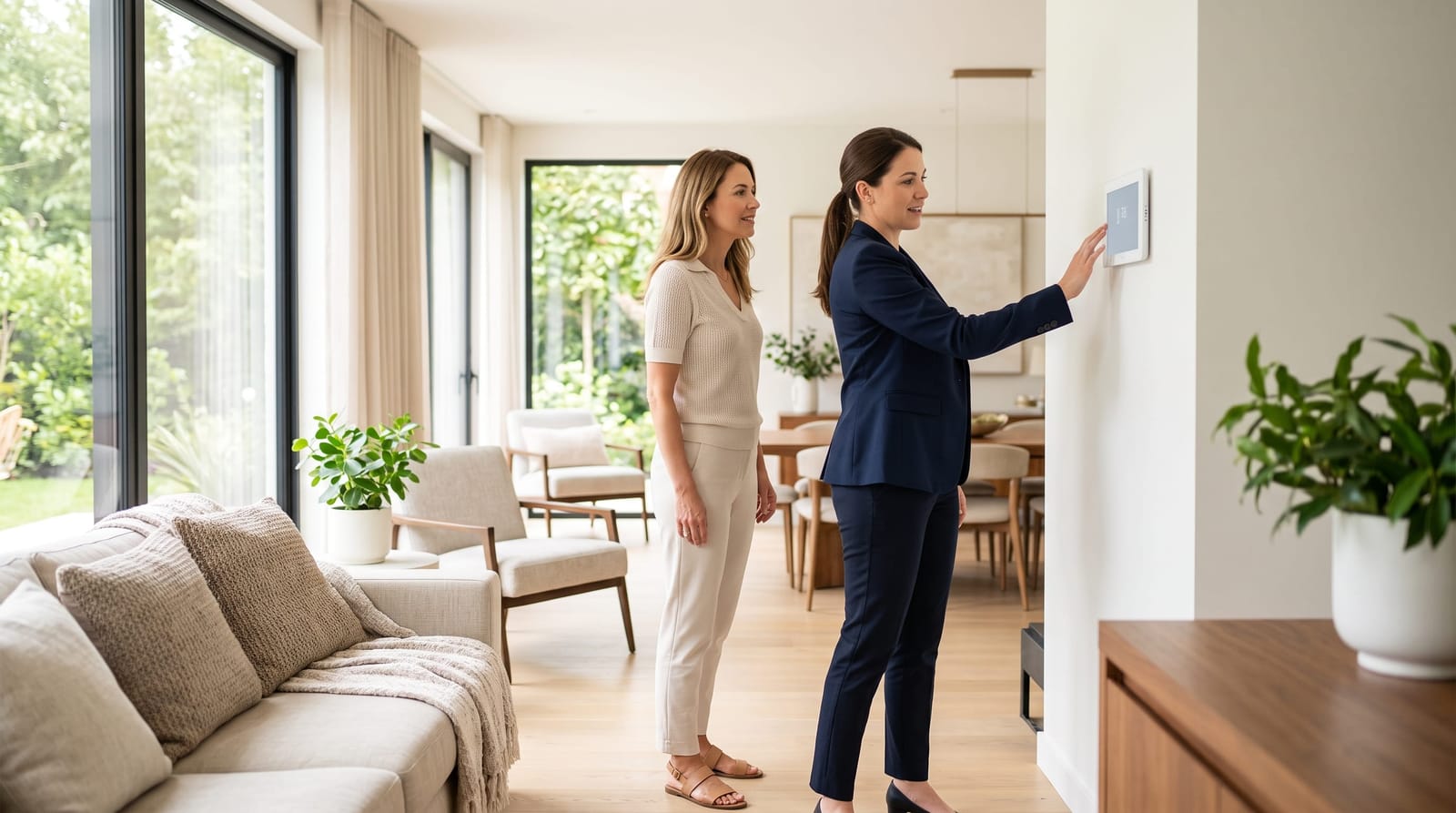
Keypads and In-Wall Controls
Elegantly designed keypads, like Lutron Palladiom or Crestron's architectural series, place frequently used scenes at everyone's fingertips. They require no app, no learning curve, and no connectivity dependency. A single button press recalls a complete home state. This is the most reliable interaction model for shared households.
Mobile and Tablet Control
For homeowners who prefer centralized control or need remote access while traveling, a dedicated app provides full system visibility. Checking whether doors are locked, adjusting climate before arrival, or reviewing security camera feeds, all are accessible from anywhere with an internet connection.
Voice Control
Voice integration, through Josh.ai, which is purpose-built for privacy-conscious luxury environments, or through native platform integrations: allows hands-free control throughout the home. Voice commands work well for casual adjustments and quick requests. They complement but don't replace physical controls for primary scene management.
For homeowners planning a ground-up build or a full renovation, the customization process differs meaningfully from a retrofit project. Our post on smart home automation new construction Los Angeles covers those distinctions in detail.
Related Detail Topics Worth Exploring
The customization process touches several specialized areas that warrant deeper examination on their own. Two worth exploring further:
- Wellness integration, If health-driven automation is a priority, our resource on wellness smart home technology goes deeper into circadian systems, air quality monitoring, and sleep environment design.
- Private estate considerations: Owners of gated properties in surrounding communities will find relevant context in our guide to smart home automation Calabasas, which addresses the unique security and privacy requirements of large private estates.
Conclusion
A custom smart home system in Beverly Hills isn't defined by the brands installed or the number of devices connected. It's defined by how precisely the system reflects the way you actually live. The discovery process, the scene design, the zone-by-zone customization, and the wellness integration all serve a single goal: a home that anticipates your needs and responds without friction. That level of personalization requires expertise, not just equipment. If you're ready to design a system built around your household, not the other way around, contact Smart Homes Innovations to schedule your lifestyle consultation today.