How to Eliminate Light Switch Clutter in a Luxury Home
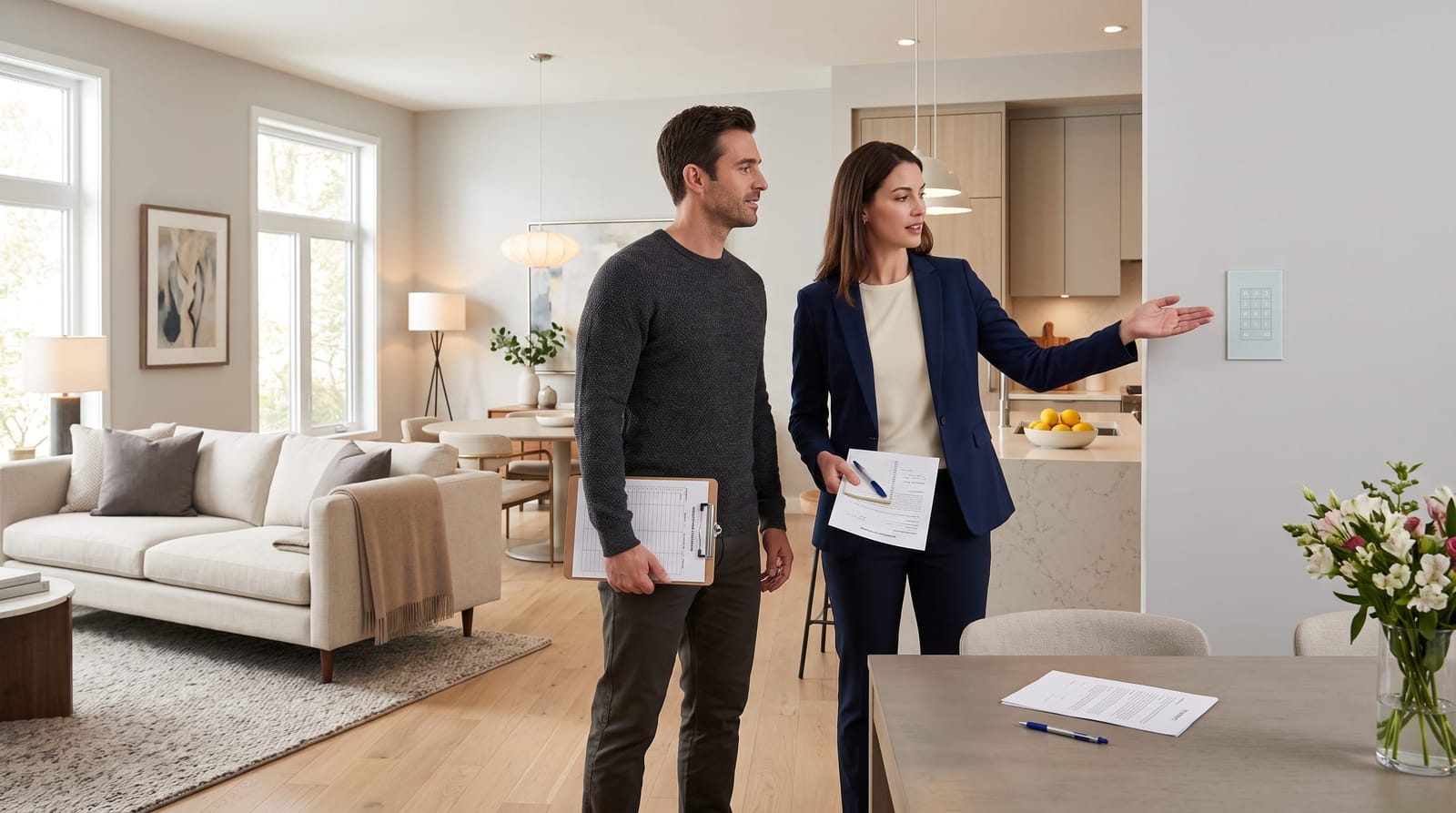
If you've ever walked into a beautifully designed room only to be greeted by a wall covered in plastic toggle switches, you understand the problem. For luxury homeowners and architects in Los Angeles, switch clutter is one of the most visually jarring details in an otherwise refined interior. The good news: modern lighting control technology makes it entirely possible to remove light switches from your smart home, or replace them with something dramatically more elegant. This guide walks you through exactly how to do it.
Step 1: Understand Why Switch Clutter Happens (and Why It's So Common)
Traditional residential wiring installs a separate switch for every circuit. A moderately sized home with 40 to 60 lighting circuits can end up with switch banks covering entire walls: sometimes five, six, or seven switches ganged together in a single location. In high-end homes, where rooms often have multiple zones of architectural, accent, task, and ambient lighting, that number multiplies fast.
According to lighting designers working in the luxury residential sector, the average high-end home in Los Angeles has between 50 and 100 individually switched lighting circuits. Controlling each one with its own traditional switch is not only visually chaotic: it's functionally impractical. No homeowner wants to memorize which of twelve switches on a hallway wall controls the cove lighting versus the sconces versus the pathway LEDs.
The architectural problem is compounded by the fact that most luxury homes use dimmers rather than simple on/off switches, which are physically larger and draw even more wall space. Understanding this root cause is the first step toward eliminating the clutter entirely.
Step 2: Choose Your Replacement Strategy
There's no single way to remove light switches from a smart home: the right approach depends on your home's existing wiring, your control system goals, and how far you want to go. Here are the four primary paths luxury homeowners take:
- Architectural keypads: Replace multiple switches with a single slim keypad that controls scenes, not individual circuits. Brands like Lutron and Control4 offer keypads with two to ten engraved buttons in a form factor no larger than a standard single-gang plate.
- In-wall touchscreens: A 5-inch or 7-inch flush-mounted touchscreen can replace an entire bank of switches and serve as a room control hub, displaying scene names, temperature, shading, and more.
- App and voice control: For spaces where any wall control feels intrusive, a minimalist bedroom or a glass-wall great room, app-based and voice-activated control eliminates the need for any physical switch at all.
- Wireless battery-powered keypads: These can be surface-mounted anywhere without in-wall wiring, then removed when no longer needed. They're particularly useful during retrofits or in spaces where cutting into walls isn't ideal.
Most luxury projects combine these strategies by location: keypads at primary entry points, voice control in bedrooms, touchscreens in media rooms, and app control for guests and secondary users.
Step 3: Plan Your Scene-Based Control Layout
The real shift in thinking is moving from switch-per-circuit logic to scene-based logic. Instead of asking "which switch controls what?", you ask "what moment am I creating in this room?"
A well-designed scene layout for a living room might look like this:
- Entertain: Accent lighting at 80%, architectural cove at 40%, task lighting off
- Relax: All zones at 20-30%, warm color temperature (2700K)
- Movie: All lights off except low pathway LEDs at 5%
- Morning: Full brightness, cooler color temperature (4000K) to support alertness
- Away: All lights off, with scheduled simulation available
Each of those five scenes is assigned to a single button on a keypad or a tap in an app. Five buttons replace what would have been eight to twelve individual switches and dimmers. The keypad itself takes up a fraction of the wall space, and the engraved labels make it intuitive for anyone, including guests, to use immediately.
This approach pairs naturally with circadian rhythm lighting programs, where color temperature and intensity shift automatically throughout the day without any manual input at all.
Step 4: Work With a Qualified Integrator to Remove or Consolidate Existing Switches
The physical process of removing existing light switches and replacing them with smart control hardware involves low-voltage wiring, line-voltage connections, and in some cases, panel-level changes. While the basic steps, turning off the breaker, removing the existing switch plate, disconnecting the old switch, and connecting new hardware, may sound straightforward, luxury lighting control systems involve considerably more complexity than a standard smart switch swap.
Key considerations during installation include:
- Neutral wire availability (many older homes in Los Angeles lack neutral wires at switch boxes, which affects compatibility with certain systems)
- Dimmer load calculations to prevent flicker or buzzing with LED fixtures
- Central processor or hub placement for whole-home systems
- Integration with existing or planned motorized shading and HVAC systems
- Programming and commissioning of scenes, schedules, and occupancy-based triggers
A licensed electrical contractor and a certified lighting control integrator typically work together on these projects. Always consult licensed professionals for your specific installation: the safety and compliance requirements for your home depend on its existing wiring, local codes, and the control system you choose.
If you're concerned about the complexity of a full retrofit, it's worth exploring how adding lighting control to an existing home without rewiring is often more achievable than homeowners expect, thanks to wireless and hybrid system architectures.
Step 5: Design the Remaining Wall Panels for Architectural Impact
If some physical keypads or panels remain, and in most homes, at least a few will, treat them as design elements rather than afterthoughts. Leading luxury lighting control brands offer:
- Custom finishes including brushed nickel, polished chrome, satin brass, and matte black
- Engraved or printed button labels in custom fonts to match interior signage
- Backlit buttons with adjustable glow intensity that dims at night to avoid visual disruption
- Flush-mount profiles that sit virtually flat against the wall surface
- Custom color-matched faceplates that blend with wall paint or wallcovering
A single Lutron Palladiom or Crestron Horizon keypad, finished in satin brass to match door hardware, reads as a refined architectural detail, not a utility component. That transformation in perception is exactly what luxury homeowners and interior designers are after.
Frequently Asked Questions
Can I completely remove all light switches from my home?
In most luxury homes, "completely switchless" is achievable in certain rooms, particularly where app and voice control are the primary interface. However, most projects retain at least minimal physical controls at key entry points for reliability and guest usability. A hybrid approach, eliminating most switches while keeping one or two elegant keypads per zone, is the standard in high-end residential installations.
What happens to my lighting if the smart home system goes offline?
This depends on the system architecture. Most professional-grade lighting control systems, such as those from Lutron RadioRA or Control4, operate on local processors rather than cloud dependency, meaning the system continues to function even without an internet connection. Your integrator can explain the specific failsafe behavior of your chosen system during the design phase.
Is it possible to remove light switches in a rental or leased property?
Modifications to wiring and switch boxes in a rental or leased property typically require landlord approval and may be subject to lease terms. Wireless, battery-powered keypads that mount without any electrical modification offer a non-invasive alternative worth exploring in those situations. Always review your lease and consult appropriate professionals before making any physical changes.
How much wall space does a luxury keypad typically save compared to traditional switches?
A single architectural keypad in a standard single-gang form factor can replace anywhere from three to eight individual switches, depending on how scenes are programmed. In practical terms, a wall that previously required a triple-gang or quad-gang switch plate, roughly 10 to 14 inches wide, can be reduced to a single 2.75-inch keypad. For a luxury home with 12 to 15 switch locations, this adds up to a significant visual and spatial improvement throughout the home.
Conclusion
Eliminating light switch clutter in a luxury home is less about a single product swap and more about rethinking how lighting is controlled from the ground up. By moving to scene-based logic, architectural keypads, touchscreens, and app or voice interfaces, you can transform walls full of plastic switches into clean, intentional surfaces, or remove the need for wall controls entirely in select spaces. This is one of the most immediately visible upgrades a luxury lighting control system delivers, and it's a foundational element of what a luxury lighting control system in Los Angeles looks like when it's done well.