How to Make Your Existing Luxury Home Healthier with Smart Technology
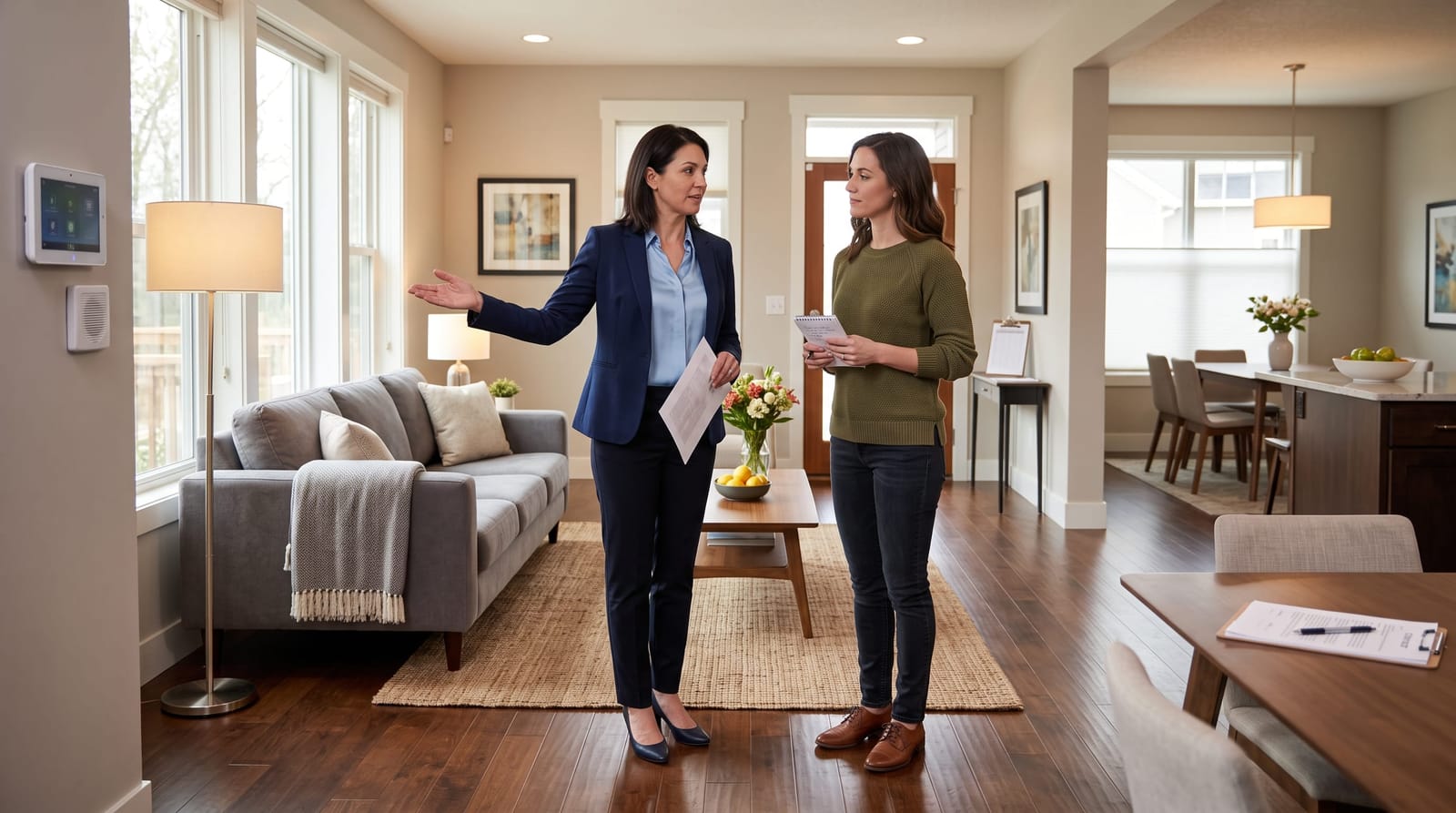
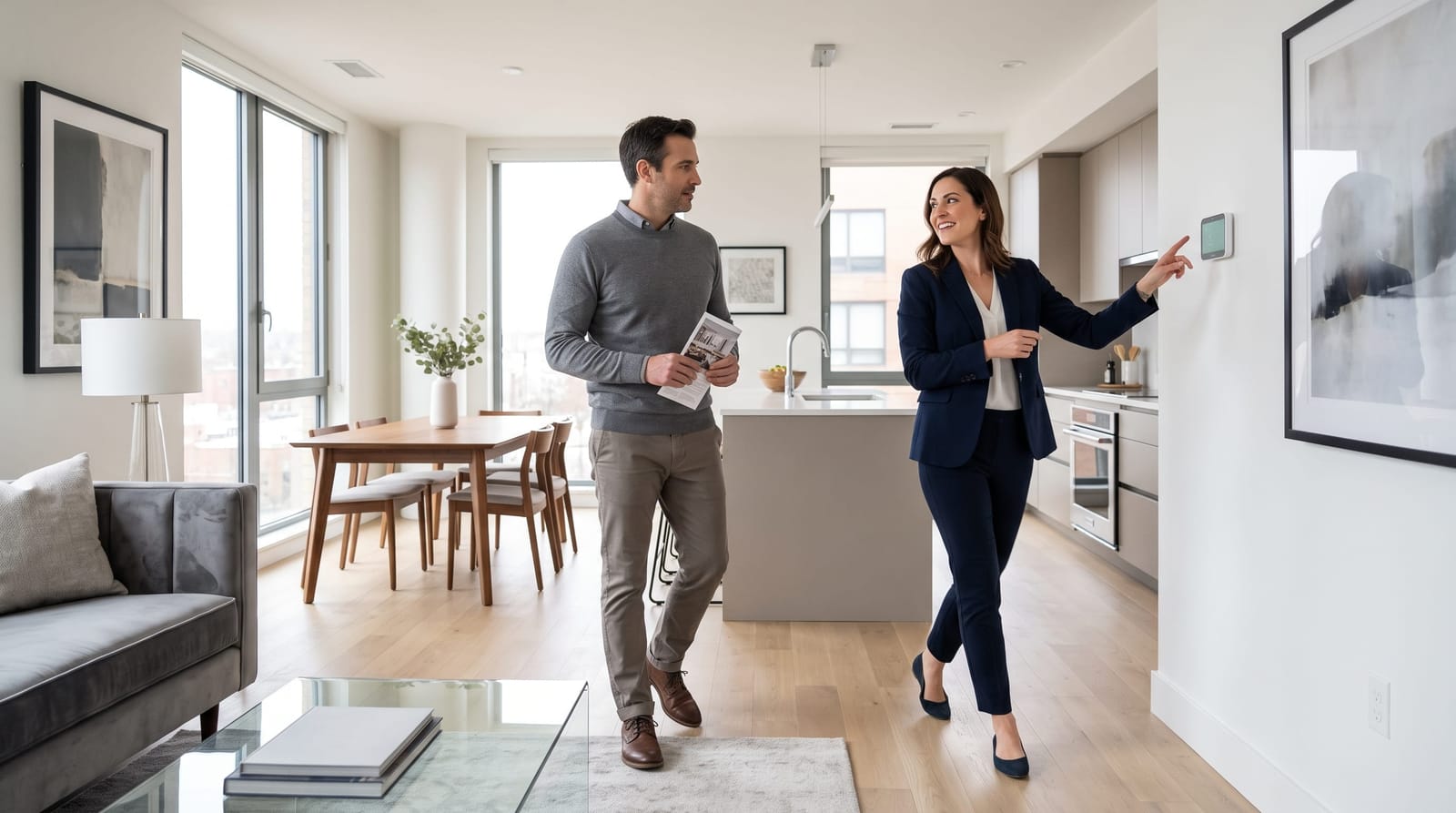
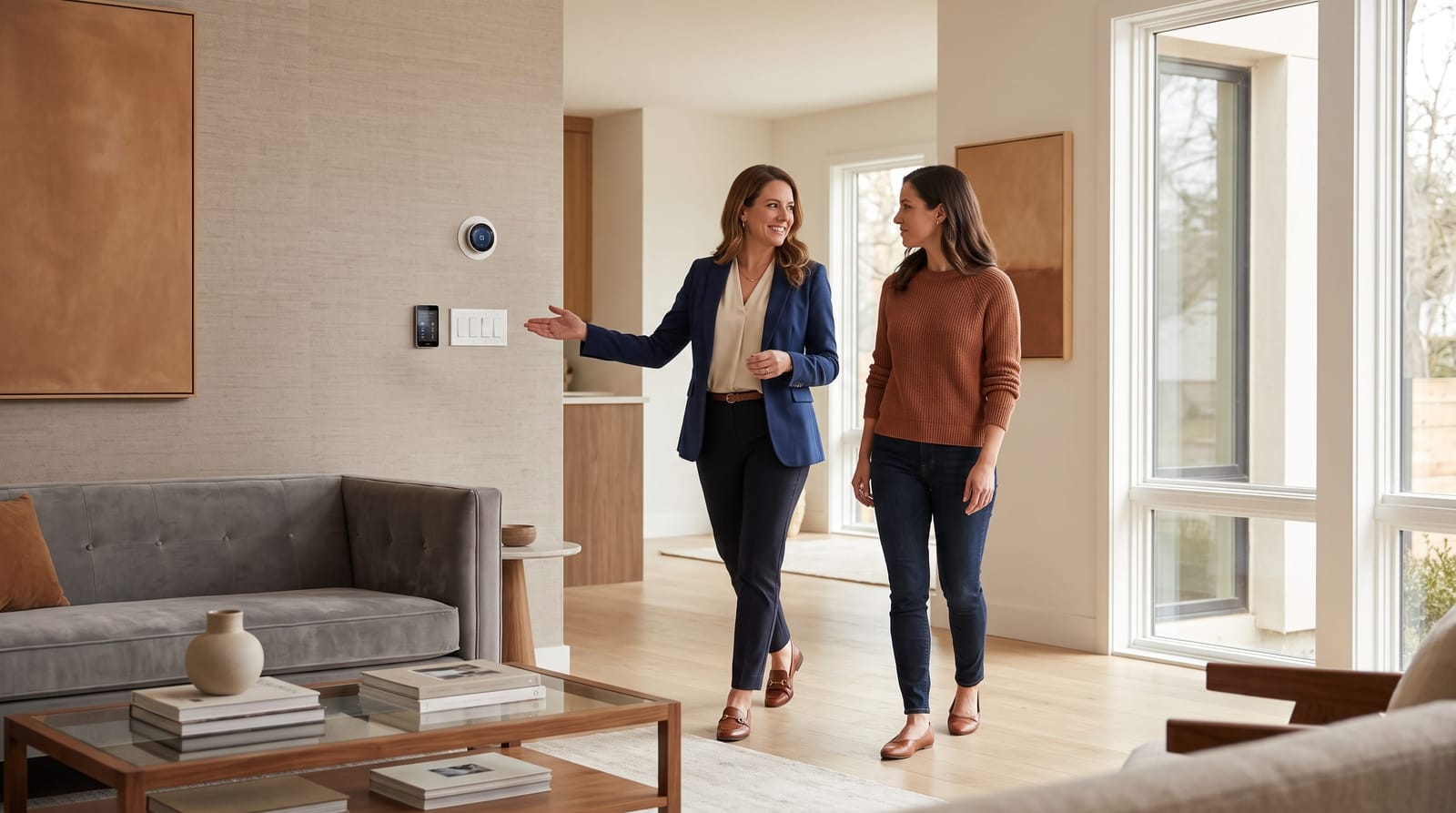
Creating a healthy smart home doesn't require tearing down walls or enduring months of renovation. For luxury homeowners in Los Angeles, the opportunity is already there: embedded in the bones of your existing property, waiting for the right technology to activate it. This guide walks you through a practical, phased approach to retrofitting your home with health-supporting smart systems. You'll learn where to start, what to prioritize, and how to layer upgrades without disrupting your lifestyle. From air quality sensors to intelligent lighting and motorized shades, each step builds toward a living environment that actively works for your wellbeing. If you've been exploring healthy smart home air quality light sound principles, this is how you apply them to a home you already own and love.
Step 1: Assess What Your Home Is Already Doing (And What It Isn't)
Before purchasing a single device, take stock of your current home environment. Many luxury properties in Los Angeles were built with premium finishes but minimal attention to indoor health metrics. That gap is exactly where smart technology delivers the most value.
Start by asking honest questions. Does your home get adequate fresh air circulation? Are there rooms that feel stuffy in the afternoon? Do you sleep well, or do you wake up groggy despite a full night in bed? These are not comfort complaints. They are signals that your environment may be working against your body.
What a Baseline Assessment Should Cover
- Existing HVAC system age and filtration rating
- Window coverage and natural light patterns throughout the day
- Current automation or smart device infrastructure
- Wi-Fi coverage across all rooms and outdoor spaces
- Any known issues with humidity, dust, or odor
A professional integrator can complete this assessment in a single visit. The findings shape every step that follows. Skipping this stage often leads to buying technology that solves the wrong problems. Investing an hour here saves significant time and money later.
Step 2: Start with Air Quality Monitoring: Your Most Important First Upgrade
Air quality is the single highest-impact starting point when you want to make your existing home healthier with smart technology. The Environmental Protection Agency consistently notes that indoor air can be significantly more polluted than outdoor air. In Los Angeles, where wildfire smoke and particulate matter are seasonal concerns, this matters even more.
Smart air quality monitors measure PM2.5 particles, carbon dioxide levels, volatile organic compounds (VOCs), humidity, and temperature, all in real time. When these readings are visible on your phone or integrated into a central dashboard, you can make immediate decisions. Open a window. Adjust the HVAC. Run a purifier. The data removes the guesswork.
Choosing the Right Air Quality Devices
For a luxury retrofit, consumer-grade monitors are a starting point, but professional-grade sensors offer greater accuracy and integration capability. Devices that connect to a whole-home automation platform, such as Control4, Crestron, or Savant, allow air quality data to trigger automatic responses. When CO2 rises above a set threshold, the system can increase fresh air intake without any manual input from you.
Place sensors in the rooms where you spend the most time: the primary bedroom, home office, kitchen, and main living areas. A whole-home picture is more useful than a single reading from one room.
Pairing Sensors with Smart Filtration
Once you have real data, upgrade your filtration accordingly. High-MERV filters, HEPA air purifiers, and UV air treatment systems can all be integrated into smart platforms. Some systems adjust filtration intensity automatically based on sensor readings. This closes the loop between measurement and action: the foundation of a genuinely responsive healthy home.
Step 3: Upgrade Your Lighting for Biological Alignment
Lighting is one of the most underestimated health levers in any home. The human body regulates its sleep-wake cycle, the circadian rhythm, largely through light exposure. Static overhead lighting that stays the same color and intensity all day works against this natural process.
Wireless lighting control systems can be retrofitted into existing homes without rewiring. Devices like Lutron Caséta or RadioRA work with your current switch locations. They add dimming capability and, when paired with tunable LED fixtures, allow color temperature to shift throughout the day: bright and cool in the morning, warm and dim in the evening.
The Practical Difference Tunable Lighting Makes
In the morning, cool-white light (5000K-6500K) supports alertness and cortisol production. By evening, warm light (2700K-3000K) reduces melatonin suppression and prepares the body for sleep. A programmed lighting schedule can handle these transitions automatically. You simply live your day, and the home responds around you.
For homeowners who want to go deeper, smart home automation reduces stress in large estate living, and lighting is one of the clearest examples of how automation removes low-level daily friction from your environment.
Layering Light for Wellness Spaces
Focus particular attention on bedrooms and home offices. In the bedroom, avoid any lighting above 10 lux within two hours of your intended sleep time. In the office, prioritize natural light supplemented by task lighting that mimics daylight spectrum. These are not arbitrary preferences: they reflect how human physiology responds to light wavelengths throughout the day.
Step 4: Add Motorized Shades to Control Natural Light and Privacy
Natural light is beneficial, but uncontrolled natural light creates problems. Harsh afternoon sun raises room temperature, creates glare on screens, and, if it falls on your bed, can disrupt sleep cycles by flooding the room at dawn. Motorized shades solve all of these issues without compromising the architectural beauty of large windows.
Modern motorized shade systems from brands like Lutron Sivoia or Hunter Douglas PowerView can be installed on virtually any existing window treatment opening. They operate wirelessly, integrate with lighting control systems, and respond to schedules, sensors, or voice commands.
Health-Driven Shade Automation Scenarios
- Morning wake protocol: Shades open gradually at your chosen time, allowing natural light to rise gently: a more physiologically appropriate wake signal than an alarm alone.
- Sleep preparation: All bedroom shades close at a set evening time, blocking streetlight and ambient glow that interfere with melatonin production.
- Thermal management: South and west-facing shades lower automatically during peak sun hours, reducing cooling load and maintaining a more stable indoor temperature.
- Glare control: Sensor-triggered shades lower when direct sun hits work surfaces, protecting your eyes during focused work periods.
When shade automation is paired with tunable lighting, you gain precise control over your full light environment: both what enters from outside and what your fixtures produce indoors.
Step 5: Integrate Everything into One Cohesive System
Individual devices provide individual benefits. A cohesive system provides compounding benefits. The real power of a healthy smart home retrofit comes when air quality sensors, lighting controls, motorized shades, HVAC systems, and wellness devices communicate with each other through a single platform.
For luxury properties, professional-grade platforms like Control4, Crestron, or Savant serve as the central nervous system. Each device becomes a node in a larger, intelligent environment. A morning routine might include shades opening, lighting warming to cool-white, the HVAC shifting to its daytime program, and a summary of overnight air quality appearing on a bedside display, all triggered by a single "Good Morning" scene.
Wireless vs. Wired Retrofit Considerations
Many homeowners worry that integration requires extensive cabling and drywall work. In most retrofit scenarios, wireless protocols, including Zigbee, Z-Wave, Wi-Fi, and RF, allow devices to communicate without new wiring. Your integrator will assess whether your existing infrastructure supports a fully wireless approach or whether strategic low-impact cabling improves reliability in key areas.
The goal is always minimum disruption. A skilled integrator can often complete a phased retrofit, air quality first, then lighting, then shades, across several weeks with no significant impact on daily life.
Step 6: Plan for the Future Without Overbuilding Now
A healthy smart home retrofit should be designed for expansion. Technology evolves, and your health priorities may shift over time. The right system architecture allows you to add new capabilities, sleep monitoring, wellness-tuned audio environments, or advanced filtration upgrades, without replacing what you've already installed.
Ask your integrator about platform longevity and device compatibility before committing to a specific ecosystem. Open protocols and established commercial platforms generally offer better long-term flexibility than proprietary consumer systems.
It's also worth noting that these upgrades carry real market value. Thoughtfully integrated healthy home technology is increasingly attractive to buyers. If you're curious about how these investments perform at resale, healthy smart home property value in Los Angeles is a topic worth exploring as you plan your retrofit scope.
For a closer look at what's possible without major construction, healthy smart home features added without a full renovation provides additional detail on low-disruption installation approaches that work in existing luxury properties.
Related Details Worth Exploring
If you want to go deeper on specific aspects of the healthy home retrofit process, there are several detailed topics that build on the steps covered here. These include a closer look at non-renovation installation strategies, the technology investments Los Angeles luxury homeowners are prioritizing in 2025, and how healthy home technology choices among Los Angeles luxury homeowners are evolving as the market matures.
Conclusion
Making your existing luxury home healthier with smart technology is a process, not a single purchase. Start with air quality monitoring to establish a real baseline. Layer in wireless lighting control to align your environment with your biology. Add motorized shades to master natural light. Then integrate everything into a unified system that responds intelligently to your daily patterns. Each step builds on the last, and none of them require significant renovation disruption. The result is a home that doesn't just shelter you: it actively supports how you feel, sleep, work, and recover every day. To discuss a customized retrofit plan for your property, reach out to our team at Smart Homes Innovations for a consultation.