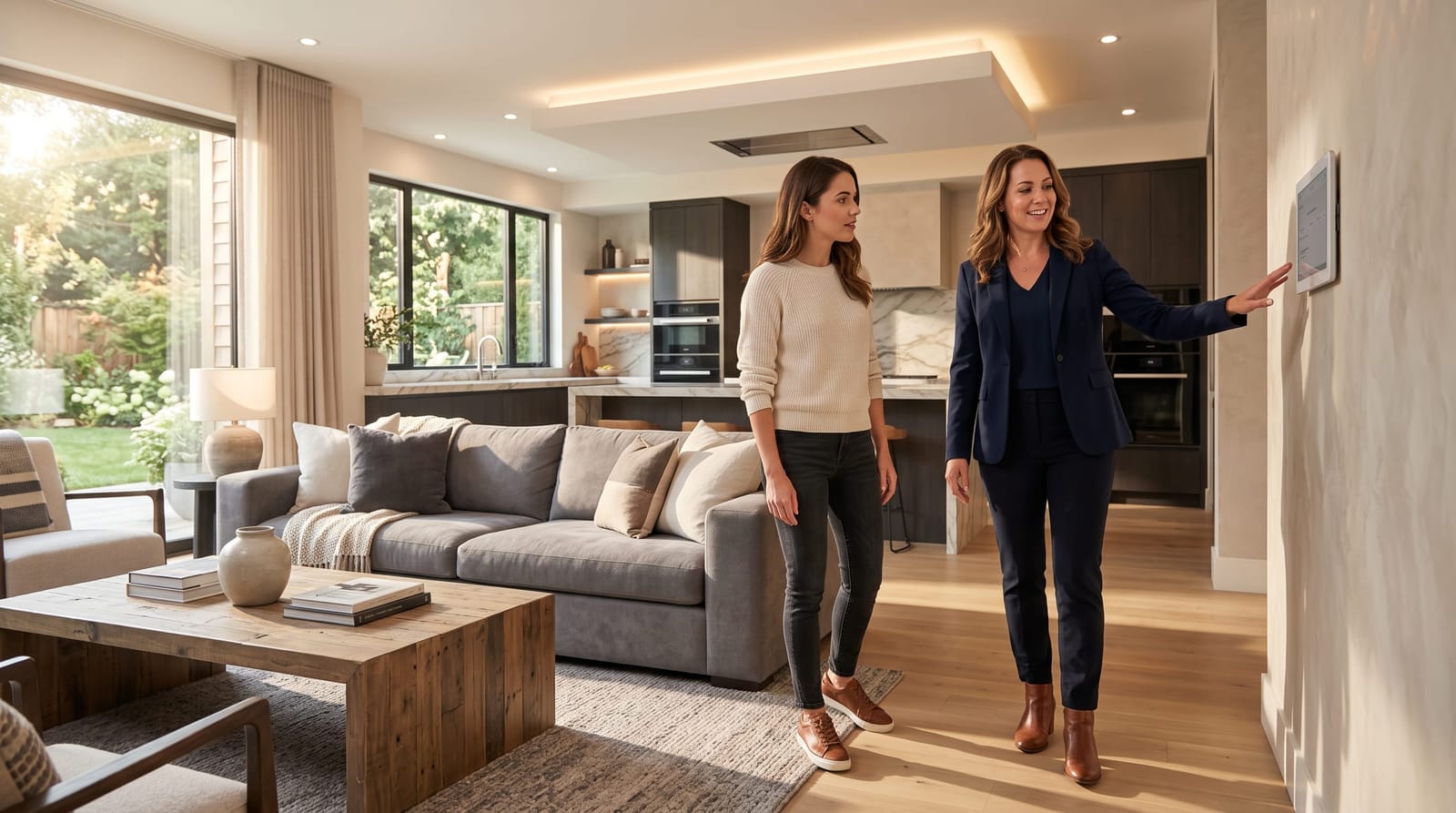
Smart Home Automation for New Construction vs Retrofit: What Los Angeles Homeowners Need to Know
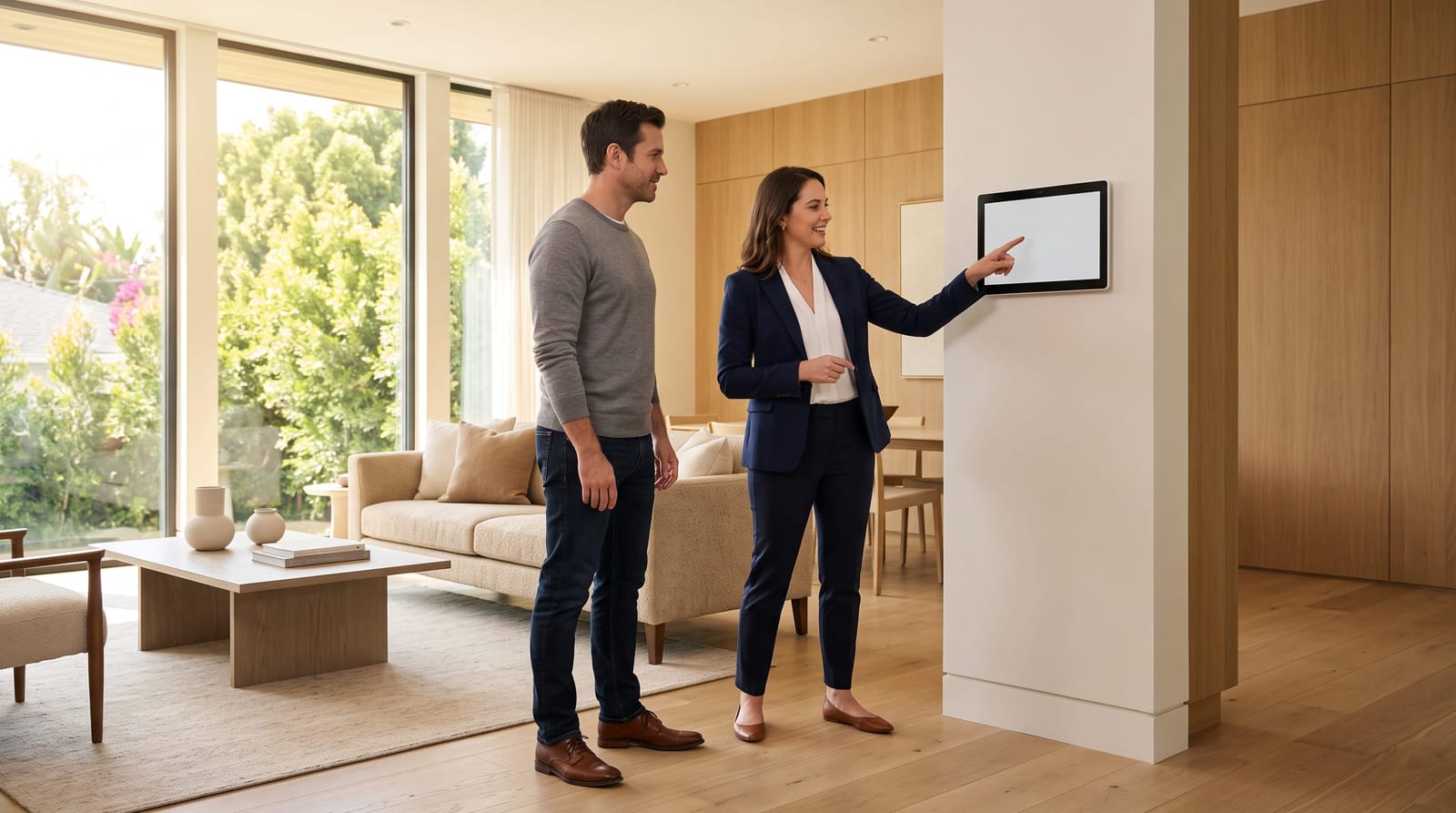
When exploring the possibilities covered in our complete guide to luxury smart home automation in Los Angeles, one of the most consequential decisions you will face is when to integrate technology into your home. Whether you are breaking ground on a custom build in Bel Air or modernizing a hillside estate in Malibu that predates the smart home era, the path to a fully unified system looks dramatically different, and so does the investment required to get there. Smart home automation new construction Los Angeles projects benefit from clean-slate planning, while retrofit projects demand creative problem-solving and strategic sequencing. This guide compares both approaches side by side, so you can make informed decisions before a single wire is pulled or a single wall is opened.
The Fundamental Difference: Working With Structure vs Working Around It
The most important thing to understand about smart home automation is that the technology itself, the platforms, the protocols, the user experience, is largely the same whether you are building new or retrofitting. What changes entirely is the installation context, and that context affects cost, timeline, design flexibility, and long-term system performance in profound ways.
In a new construction environment, the walls are open. Every conduit run, every low-voltage cable, every equipment room location, and every device rough-in can be planned before a single sheet of drywall goes up. The technology integrator works alongside the architect, the electrician, and the AV designer as a coordinated team. Decisions about where to place a touch panel or how to route fiber to a media room are made on paper, not after the fact.
In a retrofit environment, whether a 1990s Calabasas compound or a mid-century modern property in the Hollywood Hills, walls are closed, ceilings are finished, and every infrastructure decision involves either finding an existing pathway or creating a new one. That might mean fishing wire through insulated walls, running conduit through finished attic spaces, or choosing wireless solutions that eliminate the need for physical cable altogether.
Neither approach is inherently better. The best outcome depends on where you are in the process, what your home requires, and how closely you work with an experienced integrator from the start.
New Construction Smart Home Automation: The Case for Early Integration
New construction offers a window of opportunity that only exists once. When a technology integrator is brought in at the architectural phase, ideally during schematic design, the entire home can be engineered as an integrated system from the foundation up.
What Early Planning Unlocks
- Structured wiring infrastructure: Dedicated low-voltage conduit runs, home distribution frames, and centralized equipment rooms can be designed into the floor plan, not squeezed in afterward.
- Optimal device placement: Keypads, touch panels, motorized shade pockets, in-ceiling speakers, and outdoor camera positions are determined before walls close: ensuring clean aesthetics and proper coverage.
- Future-proofed pathways: Conduit sleeves installed during rough-in allow future technology upgrades without opening walls. A home wired for today's system can accommodate tomorrow's without renovation costs.
- Coordinated trade scheduling: Low-voltage rough-in happens in sequence with electrical, HVAC, and plumbing: avoiding costly rescheduling or rework caused by conflicts between trades.
Timeline and Cost Reality
For a luxury residential new construction project in Los Angeles, smart home automation installation, from rough-in through programming and commissioning, typically spans the construction timeline, with active on-site work taking anywhere from a few days for a focused scope to several weeks for a full estate integration. The investment for a comprehensive new construction smart home system ranges broadly based on scope, from approximately $5,000 for a focused single-system integration up to $50,000 or more for whole-home automation covering lighting, climate, security, AV, and access control across multiple zones.
The critical financial insight: changes made during design cost almost nothing. Changes made after rough-in can cost thousands. Changes made after drywall is hung can cost tens of thousands. Bringing your technology integrator in early is one of the highest-return decisions in a new build.
Retrofit Smart Home Automation: Transforming What Already Exists
The majority of Los Angeles's luxury housing stock is existing construction. Estates in Malibu, Bel Air, and Calabasas were often built before smart home technology existed in its current form, or were partially automated with legacy systems that no longer meet modern expectations. Retrofitting these homes is not a compromise. Done correctly, it produces systems that are indistinguishable in performance and elegance from new construction installations.
The Retrofit Toolbox
Experienced integrators approach retrofit projects with a layered strategy that balances wired performance with intelligent wireless solutions:
- Existing infrastructure audit: Before any work begins, a professional survey identifies what cable is already in the walls, coaxial, Cat5/6, speaker wire, and how it can be repurposed within a modern unified system.
- Wireless protocols where wired isn't practical: Platforms like Control4, Crestron, and Savant all support robust wireless integration for lighting, shading, and sensors in areas where running new cable would require significant demolition. You can read more about how these platforms compare in our guide to best smart home platform luxury homes.
- Strategic wire fishing: In many cases, a skilled low-voltage technician can route new cable through finished walls using existing pathways, adjacent to HVAC ducts, through attic access, or alongside existing conduit, without requiring full wall demolition.
- Phased installation: Retrofit projects are often staged across logical phases: priority systems first (security and lighting control, for example), with media distribution, motorized shading, and advanced climate integration added over time.
What Retrofit Cannot Replicate (and Why It Usually Doesn't Matter)
There are real-world limitations to retrofit work. In-wall wiring for a 12-zone distributed audio system in a home with concrete construction and no attic access is genuinely difficult. Some device placements that would be trivial in new construction require workarounds, or alternative products, in a finished home. A transparent integrator will surface these constraints early and propose solutions that meet the design intent without requiring a full renovation.
For many retrofit clients, the answer isn't to rewire the entire home: it's to design a system architecture that delivers the desired experience within the existing structure. If you are wondering what's truly possible without opening walls, our deeper dive on retrofit smart home automation existing home addresses exactly that question.
Cost Comparison: Where Each Approach Spends and Saves
Understanding the cost structure of each approach helps set realistic expectations and prioritize wisely.
New Construction Cost Drivers
- Low-voltage pre-wire labor and materials (conduit, structured cable, rough-in boxes)
- Equipment room buildout (racks, power conditioning, cooling)
- Coordination time with architect and general contractor
- Extended project timeline spanning the full construction schedule
Retrofit Cost Drivers
- Wall repair and repainting after any cable fishing or device installation
- Premium wireless devices that cost more than their wired equivalents
- Discovery work: time spent understanding existing infrastructure before planning begins
- Potential for scope changes when hidden conditions are revealed during installation
The Hidden Savings in New Construction
The math that surprises most new construction clients: pre-wiring a home during rough-in costs a fraction of what the same wiring infrastructure would cost to add post-construction. An integrator who is part of the design team from day one can often reduce total project cost compared to a scenario where smart home systems are addressed as an afterthought after the home is complete. The equipment costs are identical: it is the labor, demolition, and repair costs that stack up in late-stage projects.
Location-Specific Considerations for Los Angeles Properties
Los Angeles is not a uniform market, and the specific neighborhood and property type shape both the opportunities and constraints of smart home automation in meaningful ways.
Coastal Properties (Malibu, Pacific Palisades)
Salt air, humidity, and coastal conditions require specific hardware specifications, not every smart home device is rated for marine environments. New construction on the coast allows these specifications to be built in from the start. Retrofit installations require careful product selection and potentially upgraded enclosures. If your property is in Malibu or along the coast, our dedicated guide on smart home automation Malibu covers the environment-specific considerations in detail.
Hillside and Canyon Properties (Bel Air, Calabasas)
Properties built into hillsides often have complex structural conditions, concrete retaining walls, post-and-beam construction, multi-level access challenges, that make wire routing in retrofit scenarios particularly nuanced. New construction hillside projects, conversely, benefit enormously from integrating technology infrastructure during the structural phase, when all spaces are accessible.
Historic and Architecturally Significant Homes
Los Angeles has a significant inventory of architecturally important homes, Case Study houses, mid-century estates, and landmark properties, where preservation requirements limit what modifications can be made to structure and finishes. These projects demand integrators with a refined retrofit approach: wireless-forward, minimally invasive, and deeply sensitive to the original design intent.
How a Technology Integrator Fits Into the Design and Build Process
Whether you are building or renovating, the most important structural decision you can make is treating your technology integrator as a design professional, not a subcontractor who shows up after decisions have been made.
In new construction, the integrator should be at the table during schematic design: contributing to room layouts, ceiling heights (which affect speaker and projector placement), equipment room sizing, and electrical panel coordination. This is not a luxury; it is a cost-control measure. The conversation that takes 30 minutes during design takes 30 hours and significant expense during construction.
In retrofit, the integrator should conduct a full site assessment before any scope is defined. Understanding what is already in the home, what the client wants to achieve, and what the structure will accommodate is the only responsible basis for a proposal.
A well-integrated smart home, regardless of whether it was built new or retrofitted, functions as a unified system rather than a collection of apps and devices. Understanding how smart home system integration creates that unified experience is foundational to appreciating why the installation approach matters so much to the final result.
Related Detail Topics
The topics explored in this guide connect to several deeper resources that address specific scenarios in greater detail. If your property is on the coast, our guide on smart home automation Malibu covers the environmental and infrastructure considerations unique to coastal estates. If you are working with an existing home and want to understand the full range of retrofit options, our resource on retrofit smart home automation existing home addresses the most common questions about what is achievable without major construction.
Making the Right Decision for Your Project
The new construction versus retrofit question does not have a universal answer: it has a right answer for your specific property, timeline, and goals. New construction offers unmatched design freedom and long-term cost efficiency when technology is integrated from the earliest planning stages. Retrofit delivers sophisticated, high-performing smart home systems in existing homes when approached with expertise, the right product mix, and realistic expectations about what the existing structure will accommodate.
What both paths share is this: the quality of the outcome is determined far more by the expertise of the integrator and the timing of their involvement than by the construction status of the home itself. If you are building, renovating, or simply reconsidering an underperforming system in a Los Angeles luxury property, the conversation with an experienced technology integrator is the place to start, not the last step before move-in.
Smart Homes Innovations works with homeowners, architects, and developers across Los Angeles, from pre-construction technology planning through full-system commissioning and support. Contact us to discuss your project and learn what whole-home automation looks like for your specific property.