Smart Home Automation in Malibu: What Coastal Properties Need to Know
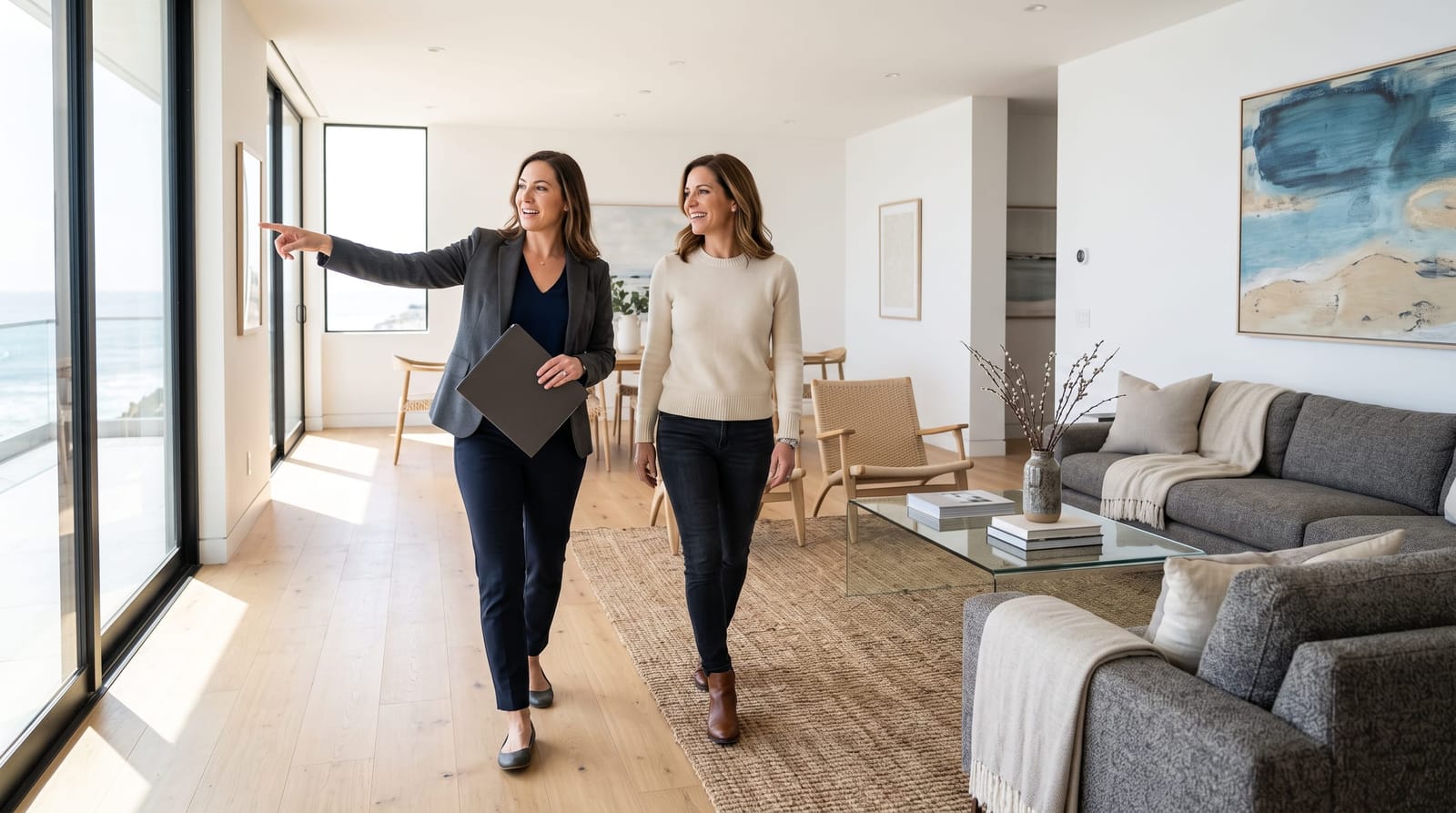
Malibu homes face a unique set of challenges that most smart home guides never address. Salt air eats through standard hardware. UV radiation fades motorized shades. Wildfires and Pacific storms demand rapid automated responses. And hillside properties often sit in cellular dead zones. If you're exploring smart home automation in Malibu, this reference guide covers exactly what your coastal property requires, and how to protect your investment long-term.
1. Salt Air Corrosion: Protecting Outdoor Smart Home Hardware
Within roughly 1,500 feet of the Pacific, salt air accelerates metal corrosion at a rate up to 10 times faster than inland environments. Standard outdoor smart home equipment, keypads, motion sensors, camera housings, and motorized hardware, simply isn't built for this exposure level.
For Malibu installations, every outdoor component must meet a minimum IP65 weatherproofing rating. Many coastal projects call for IP67 or IP68 ratings on devices positioned near the waterline or on ocean-facing decks.
Materials That Survive the Coast
- Marine-grade aluminum and stainless steel for mounting hardware and enclosures
- UV-stabilized polycarbonate for outdoor keypads and control surfaces
- Powder-coated finishes over anodized aluminum on motorized shade tracks
- Conformal-coated circuit boards inside external control boxes to resist moisture infiltration
Reputable integrators also schedule annual preventive maintenance visits for coastal properties. During these visits, technicians inspect connectors, apply dielectric grease to electrical contacts, and replace any components showing early corrosion. Catching failures early is far less costly than replacing a full outdoor AV system.
2. UV-Rated Motorized Shades for Coastal Light Management
Malibu's west-facing glass walls receive intense afternoon sun combined with reflective ocean glare. Standard motorized shade fabrics degrade significantly faster at this UV exposure level. A shade fabric rated for 50,000 hours indoors may last fewer than 5 years facing direct ocean-side sun without UV stabilization.
For Malibu properties, smart shade systems should specify fabrics with a UV Protection Factor (UPF) of 50 or higher. This blocks over 98% of UV radiation and dramatically extends the fabric lifespan while protecting interior furnishings from fading.
Automation Behavior Worth Programming
Beyond fabric selection, how the system behaves matters just as much. A well-configured Malibu shade automation includes:
- Sun-position tracking that adjusts shades based on real-time solar angle, not just a fixed schedule
- Wind speed triggers that retract exterior roller shades automatically when gusts exceed 25 mph
- Glare thresholds that lower shades partially when interior light sensors detect excessive brightness, without fully blocking the ocean view
- Morning reveal scenes that raise shades gradually at sunrise across multiple rooms simultaneously
The best Malibu shade systems integrate directly into the home's central automation platform, not a standalone shade app, so every adjustment is coordinated with lighting, HVAC, and security in real time.
3. Storm and Wildfire Automation: Protecting Your Property Automatically
Malibu sits within one of California's most active wildfire zones. Between 2018 and 2023, Malibu and the surrounding Santa Monica Mountains area experienced multiple significant fire events affecting thousands of residents. Smart home automation plays a real role in emergency preparedness.
Storm Response Automation
When a Pacific storm approaches, automated systems can execute a full "storm mode" with a single command or a weather-triggered sensor response:
- Retract all exterior motorized shades and pergola covers
- Lock all motorized skylights and folding glass wall systems
- Activate exterior drainage pump monitoring alerts
- Switch outdoor lighting to lower-intensity storm settings
Wildfire Preparedness Scenes
Fire season preparedness is part of responsible Malibu ownership. Automated "evacuation mode" scenes can:
- Turn on all interior and exterior lights for maximum visibility
- Unlock all access doors and gates simultaneously
- Send real-time notifications to family members and property managers
- Share live security camera feeds remotely so you can monitor from anywhere
- Shut down HVAC systems to prevent smoke infiltration through air handling equipment
These aren't theoretical features. They are programmable scenes available on professional platforms like Control4, Crestron, and Savant, and they require proper initial configuration by an experienced integrator to function reliably when it matters most.
4. Connectivity Solutions for Remote and Hillside Malibu Properties
Malibu stretches across approximately 27 miles of coastline and extends into the Santa Monica Mountains. Many properties sit in canyons or on ridgelines where cellular signal is weak and fiber internet simply isn't available. This is one of the most common technical obstacles for smart home automation in Malibu.
A reliable smart home depends on reliable connectivity. Here's how experienced integrators solve it:
Multi-Path Internet Architecture
- Primary connection: Fixed wireless or fiber where available, typically delivering 100-500 Mbps to hillside properties
- Secondary failover: Starlink satellite internet, which now achieves average latency under 40ms and works effectively across most Malibu terrain
- Cellular LTE/5G backup: A dedicated cellular router activates automatically if both primary connections fail
For properties where cellular dead zones affect smart device control, a distributed antenna system (DAS) or cellular signal booster, sized properly for the property footprint, can extend usable signal throughout the home and immediate outdoor areas.
Locally controlled automation platforms also provide a meaningful advantage here. Systems configured for local processing continue to operate lighting, security, and climate controls even during a full internet outage, because they don't rely on cloud servers to function.
If you're considering an older property without existing structured wiring, it's worth reviewing options for retrofit smart home automation in existing homes before assuming a full rewire is necessary.
Frequently Asked Questions
Does salt air really damage smart home devices faster in Malibu?
Yes. Salt-laden coastal air accelerates oxidation on metal contacts, connectors, and circuit board traces. Outdoor devices without marine-grade protection can begin failing within 12 to 24 months in high-exposure locations. Specifying IP-rated, corrosion-resistant hardware from the start is essential for Malibu installations.
Can smart home automation help during a Malibu wildfire evacuation?
Automation systems can be programmed to execute a single "evacuate" command that unlocks gates, activates all lighting, shuts down HVAC, and sends alerts to your phone and property manager. This doesn't replace an emergency plan, but it significantly reduces the number of steps during a high-stress situation. Consult with your local fire authorities regarding any specific safety requirements for your property.
What internet solution works best for a Malibu canyon home with no fiber?
Starlink satellite internet has become a practical primary or backup solution for Malibu canyon properties where fiber isn't available. A dual-WAN router configured with automatic failover between Starlink and a cellular LTE connection provides the redundancy needed for a reliable smart home. Many integrators include this network architecture as a standard part of Malibu installations.
How often should outdoor smart home equipment be serviced in a coastal environment?
Annual preventive maintenance is the general recommendation for ocean-adjacent properties. High-exposure locations, ocean-facing decks within 500 feet of the waterline, for example, may benefit from a twice-yearly inspection schedule. Regular servicing catches early corrosion, firmware update needs, and mechanical wear before they become costly failures.
Conclusion
Smart home automation in Malibu demands more than a standard installation. Coastal conditions require purpose-built hardware, weather-responsive programming, layered connectivity, and regular maintenance, all designed around the specific demands of your property. When these elements are addressed properly, a Malibu smart home is more resilient, more responsive, and better protected than an inland property. For a broader look at what full-home automation involves, explore the complete guide to luxury smart home automation in Los Angeles.