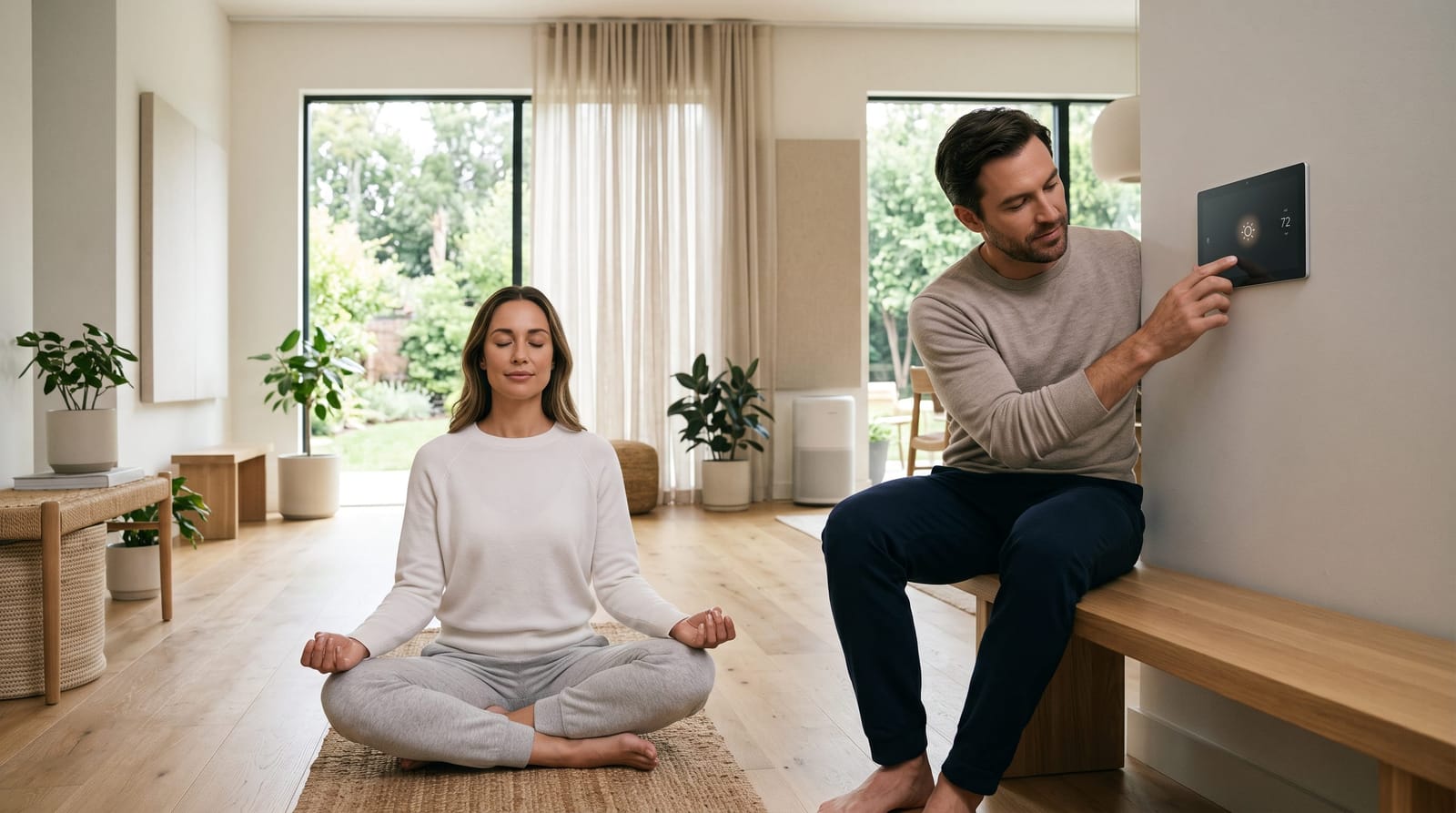
Wellness Smart Home Systems: The Complete Guide for Luxury Homeowners in Los Angeles
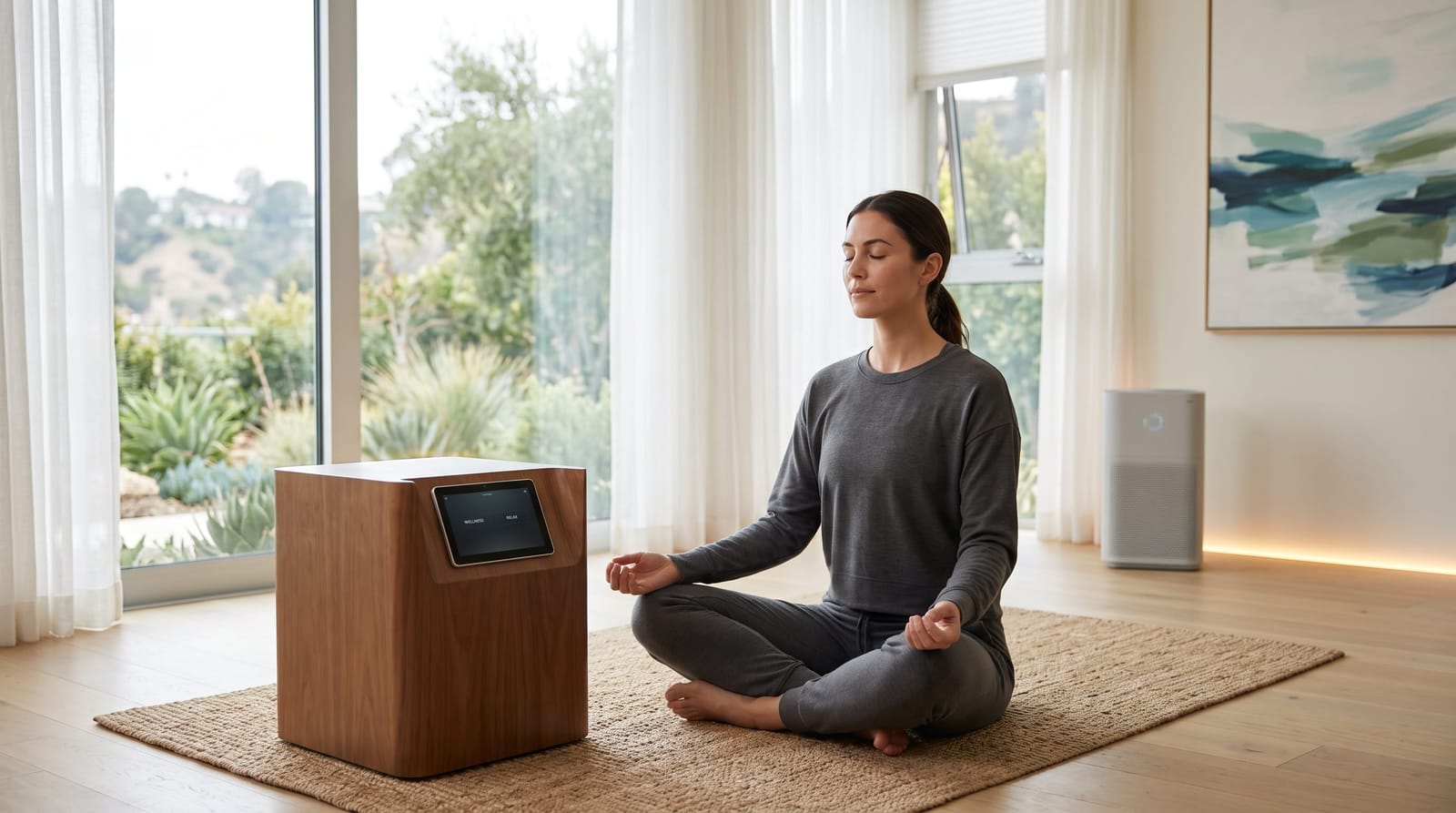
What if your home actively worked to improve your health every single day? Not passively. Not accidentally. But through intelligent, coordinated technology designed around your body, your schedule, and your life.
For luxury homeowners in Los Angeles, this is no longer a concept. Wellness smart home systems are reshaping how people in Brentwood, Malibu, Bel Air, and Beverly Hills experience their properties. These systems go far beyond voice-controlled lights or smart thermostats. They represent a fundamental shift in how a home functions, from a passive shelter to an active, health-supporting environment.
The demand is real. According to the Global Wellness Institute, the wellness real estate market was valued at over $438 billion globally in 2022 and continues to grow at a rapid pace. Homeowners are investing in spaces that support sleep, reduce stress, improve air quality, and align with their personal health goals.
This complete guide covers everything you need to know about wellness smart home systems. You will learn what these systems include, how they work together as an integrated ecosystem, and why they matter for luxury properties in Los Angeles. You will also discover how Smart Homes Innovations approaches these projects for high-end residences across the region.
Whether you are planning a new build, renovating an estate, or upgrading an existing smart home, this guide gives you the full picture.
What Is a Wellness Smart Home System?
A wellness smart home system is an integrated network of technologies designed to support physical health, mental well-being, and overall quality of life inside a residence. Unlike standard smart home automation, which focuses primarily on convenience and energy efficiency, wellness smart home systems are built around human biology and daily lifestyle rhythms.
The core idea is simple. Your environment affects your health. Light exposure influences your sleep cycles. Air quality affects your cognition and energy. Sound impacts your stress levels. Temperature shapes your comfort and recovery. A wellness smart home system manages all of these variables: automatically, intelligently, and in coordination with one another.
The Ecosystem Approach
The most effective wellness smart home systems do not operate in silos. A single smart thermostat or an air purifier alone does not create a wellness environment. What creates results is integration. When circadian lighting communicates with automated shades, and both respond to your sleep schedule, the combined effect on your health is far greater than any single device could achieve.
Smart Homes Innovations designs these systems as complete ecosystems. Every component is selected, programmed, and calibrated to work in harmony. The result is a home that responds to you as a whole person, not just a user pressing buttons.
Who These Systems Are Designed For
Wellness smart home systems are particularly well-suited for luxury homeowners who place high value on longevity, performance, and quality of life. In Los Angeles, this includes professionals with demanding schedules, families focused on children's health and development, fitness-oriented individuals, and anyone who wants their home to reflect the same standards they apply to their health and wellness routines outside the house.
Circadian Lighting: The Foundation of a Wellness Smart Home System
Light is the most powerful environmental signal your body receives. It regulates your circadian rhythm: the internal clock that governs sleep, hormone production, energy, mood, and immune function. A wellness smart home system starts with getting light right.
Circadian lighting systems automatically adjust the color temperature and intensity of your home's lights throughout the day. In the morning, the system delivers bright, cool-toned light that signals wakefulness and boosts cortisol in a healthy way. Through the afternoon, light remains balanced to support focus and productivity. By evening, the system transitions to warm, amber-toned light that signals your brain to begin producing melatonin.
Why This Matters for Luxury Homeowners
Many high-end homes feature dramatic architectural lighting. Floor-to-ceiling windows, recessed ceilings, and custom fixtures are common in properties across Bel Air and Beverly Hills. Without circadian programming, these beautiful spaces can actually disrupt sleep cycles: particularly when bright white light is used in the evenings. A wellness smart home system corrects this without sacrificing aesthetics.
Research published in the journal Nature and Science of Sleep found that exposure to blue-spectrum light in the evening delays sleep onset by an average of 90 minutes. Circadian lighting automation eliminates this problem entirely by removing blue light from your environment at the right time, without any manual effort from you.
Integration with Other Systems
In a complete wellness smart home system, circadian lighting works alongside automated shades, sleep system sensors, and whole-home control platforms. When your system knows you are winding down for the evening, it dims the lights, closes the shades, and adjusts the thermostat, all at once. This coordinated approach is what separates a true wellness smart home system from a collection of individual gadgets.
Air Quality Control: Breathing Better at Home
Indoor air quality is a health issue that most homeowners underestimate. The Environmental Protection Agency (EPA) has noted that indoor air can be two to five times more polluted than outdoor air. In a city like Los Angeles, where wildfire smoke, allergens, and urban particulates are ongoing concerns, air quality management is not optional for a true wellness smart home system.
Advanced air quality systems in luxury residences include several integrated components. These typically work together as part of a wellness smart home system to maintain optimal air conditions throughout the home.
- Whole-home air filtration: HEPA and activated carbon filtration systems remove particulates, allergens, VOCs, and odors at the HVAC level.
- Real-time air quality monitoring: Sensors track PM2.5, CO2, humidity, and VOC levels throughout the home and feed data to your control system.
- Automated ventilation: Smart ERV (Energy Recovery Ventilation) systems bring in fresh outdoor air when indoor air quality drops below target thresholds.
- Humidity regulation: Whole-home humidifiers and dehumidifiers maintain the 40-60% relative humidity range associated with optimal respiratory comfort and reduced airborne pathogen survival.
Wellness Outcomes
Clean, properly humidified air has measurable effects on health and cognitive performance. A Harvard study found that doubling ventilation rates in office environments improved cognitive function scores by 61%. While this research was conducted in commercial settings, the implications for home environments, especially home offices, are significant for professionals who work from their estates.
For families with children, air quality management reduces allergy symptoms, supports better sleep, and creates a consistently comfortable indoor environment year-round. This is a core component of any wellness smart home system designed for family-focused luxury residences.
Automated Shades and Climate Control: Light, Temperature, and Recovery
Automated shading systems are among the most underutilized components in luxury smart homes. In a wellness smart home system, motorized shades do far more than provide privacy or reduce glare. They actively manage how natural light enters your home, and that has direct consequences for health and comfort.
Smart Shade Integration
Motorized shades in a wellness smart home system are programmed to respond to time of day, sun position, and occupancy. In the morning, shades in the bedroom gradually open to deliver natural light that gently supports waking. During peak afternoon sun, shades reduce solar heat gain to keep interior temperatures stable without overworking the HVAC system. In the evening, blackout shades create a sleep-optimized environment that supports deep, restorative rest.
On estates in Malibu with ocean-facing glass walls, and in hillside homes in Brentwood with dramatic views, automated shading is particularly important. These architectural features bring stunning natural light, but without intelligent management, they can create thermal discomfort, glare, and circadian disruption. A wellness smart home system solves this problem elegantly.
Thermal Comfort and Recovery
Temperature regulation is another critical health variable. Sleep research consistently shows that the body needs a slightly cooler environment, typically between 65 and 68 degrees Fahrenheit, to facilitate deep sleep stages. A wellness smart home system can be programmed to automatically lower bedroom temperatures as part of an evening routine, then bring them back to a comfortable waking temperature before your alarm sounds.
In recovery-focused spaces like home gyms, treatment rooms, or spa areas, temperature control becomes even more nuanced. Smart HVAC zoning allows these rooms to maintain conditions specific to their purpose: independent of the rest of the house.
Whole-Home Audio and Acoustic Wellness
Sound is an often-overlooked dimension of a wellness smart home system. Yet the acoustic environment of a home has measurable effects on stress levels, focus, and sleep quality. A well-designed whole-home audio system is not just a luxury amenity: it is a health tool when integrated thoughtfully.
Therapeutic Sound Applications
Whole-home audio systems in a wellness smart home framework can deliver a range of health-supporting audio experiences throughout the residence. These include:
- Binaural beats and frequency-based audio: Specific sound frequencies are associated with relaxation, focus, and sleep induction.
- Nature soundscapes: Research published in Scientific Reports found that listening to natural sounds reduces the body's fight-or-flight response and promotes rest-and-digest activity.
- Sleep-specific audio: White noise, pink noise, and brown noise can mask environmental disturbances and support deeper sleep cycles.
- Zone-based music programming: Different rooms receive audio appropriate to their function: energizing in the gym, calming in the bedroom, focused in the office.
Acoustic Design and Noise Reduction
In a complete wellness smart home system, acoustic design extends to the physical structure of the home. This can include smart glass that adjusts to reduce outside noise, vibration-isolating speaker installations that deliver clean sound without structural resonance, and automated door sealing systems that reduce sound bleed between zones. For luxury homes in urban-adjacent areas of Los Angeles, noise management is a significant wellness concern.
Wellness Smart Home Technology for Fitness and Recovery
Los Angeles homeowners with $3M+ properties often maintain serious personal fitness and wellness routines. A wellness smart home system supports these routines in ways that standard gym equipment alone cannot achieve.
Intelligent Home Fitness Environments
Smart home gyms integrate equipment that tracks performance metrics, adjusts resistance automatically, and connects to personal training platforms. But the room itself can be just as sophisticated as the equipment inside it. A wellness smart home system can manage the gym environment with precision, including air quality, temperature, humidity, lighting intensity, and audio, all configured for optimal workout performance and post-exercise recovery.
Recovery-focused spaces are increasingly common in high-end Los Angeles residences. Infrared sauna rooms, cold plunge areas, meditation rooms, and spa zones all benefit from dedicated smart controls within a wellness smart home system. Each space has its own environmental requirements, and automation allows those requirements to be met consistently without manual adjustment.
Health Data Integration
Many wellness smart home systems can integrate with wearable health devices. When your system receives data from a sleep tracker or fitness monitor, it can adjust your home environment accordingly. If your tracker shows you had poor sleep, your morning routine can deliver brighter light and more energizing audio to help compensate. This kind of personalized, data-driven automation represents the cutting edge of wellness smart home system design.
The Smart Homes Innovations Approach for Los Angeles Luxury Properties
Designing a wellness smart home system for a luxury estate requires more than technical knowledge. It requires a deep understanding of how architecture, design, and technology interact, and how the client actually lives in their home.
Smart Homes Innovations works with homeowners across Brentwood, Malibu, Bel Air, and Beverly Hills to design systems that are fully customized to the property and the lifestyle of the people who live there. No two wellness smart home systems are identical, because no two clients are identical.
Integration with Architecture and Interior Design
Many clients come to Smart Homes Innovations during the design and build phase of a new estate. This is the ideal time to integrate wellness smart home technology, because systems can be designed into the architecture itself. Lighting can be built into the ceiling structure. Climate zones can be engineered into the floor plan. Acoustic treatments can be incorporated into wall assemblies.
For existing properties, Smart Homes Innovations works with renovation teams to retrofit wellness systems with minimal disruption. Wireless and low-profile technologies have advanced significantly, making it possible to add a full wellness smart home system to an existing luxury residence without major structural intervention.
Long-Term Investment Value
A wellness smart home system is a significant investment. But it is also one that creates long-term value: both in terms of the quality of daily life and in the market value of the property itself. Luxury real estate in Los Angeles increasingly treats wellness technology as a premium feature that differentiates properties and supports higher asking prices. This is a topic worth exploring in depth for any homeowner considering a wellness smart home system upgrade.
Customization and Lifestyle Alignment
The word "custom" gets used loosely in the luxury market. In the context of wellness smart home systems, true customization goes several layers deep.
Scene Programming and Daily Routines
A wellness smart home system can be programmed with scenes, preset combinations of lighting, temperature, shading, audio, and other variables, that activate based on time, occupancy, or user input. A "morning" scene might raise the shades gradually, bring bedroom lighting up with warm tones, and start a gentle playlist in the kitchen. An "evening recovery" scene might dim all lights to amber, lower the thermostat, start a nature soundscape, and close all exterior shades for privacy.
These scenes are built around the specific daily rhythms of the homeowner. A client who trains at 5 AM has a very different wellness routine than one who works late and prioritizes evening recovery. The system adapts to the individual, not the other way around.
Multi-User and Family Configurations
Luxury estates often house multiple family members with different schedules, preferences, and health needs. A wellness smart home system can manage multiple user profiles simultaneously. Children's bedrooms can have age-appropriate light schedules. A parent's home office can maintain a focus-optimized environment while the rest of the house runs in relaxation mode. The system operates in zones and layers, keeping each space aligned with its purpose and occupant.
Deep Dive: Explore Every Dimension of Wellness Smart Home Systems
This guide covers the core framework of wellness smart home systems for luxury Los Angeles homeowners. But each dimension of this topic deserves deeper exploration. The following resources provide comprehensive coverage of the specific areas introduced here.
-
The Key Technologies Behind Wellness Smart Homes: Understand the specific systems and devices that form the foundation of a modern wellness smart home. From air quality sensors to circadian lighting platforms, this deep dive covers home wellness technology in detail: helping you understand what each system does and why it matters.
-
Property Value and Wellness Features: Wellness smart home systems are increasingly recognized as premium real estate assets in the Los Angeles luxury market. Learn how real estate wellness smart home investment decisions impact appraisals, buyer appeal, and long-term asset value in communities like Beverly Hills and Bel Air.
-
Architecture Meets Automation: The most powerful wellness smart home environments are designed from the ground up with both architecture and technology in mind. This guide to wellness smart home design Los Angeles walks through the planning process, from site analysis to system integration, for new builds and major renovations.
-
Lifestyle-Specific Customization: Every luxury homeowner has a unique lifestyle. This resource on building a custom wellness smart home system explores how to align automation programming, scene design, and system architecture with the specific routines, health goals, and preferences of the people who live in the home.
-
Daily Life in a Wellness Smart Home: What does it actually feel like to live in a fully integrated wellness smart home? This look at the wellness smart home system luxury home experience in Los Angeles follows real-world scenarios from morning through evening: showing how these systems improve energy, sleep, focus, and overall quality of life.
Conclusion: Your Home Should Work as Hard as You Do
Wellness smart home systems represent the most meaningful evolution in luxury residential technology today. They bring together circadian lighting, air quality management, automated shading, climate control, whole-home audio, and fitness technology into a unified, intelligent environment. Each system reinforces the others. The result is a home that actively supports the health, performance, and well-being of the people living in it.
For homeowners in Brentwood, Malibu, Bel Air, and Beverly Hills, these systems are increasingly becoming the standard for what a luxury estate should deliver, not just beautiful spaces, but genuinely restorative ones.
The investment in a wellness smart home system pays dividends every single day. Better sleep, cleaner air, reduced stress, improved focus, and a living environment that adapts to your life are not small benefits. They are transformative ones.
Smart Homes Innovations designs and installs wellness smart home systems for luxury properties across Los Angeles. If you are ready to explore what a fully integrated wellness smart home system could look like for your estate, contact our team to schedule a consultation. We bring together the technology, the expertise, and the design vision to create a home that genuinely supports the way you want to live.