Wellness Smart Home Technology: Key Systems Every Luxury Homeowner Should Know

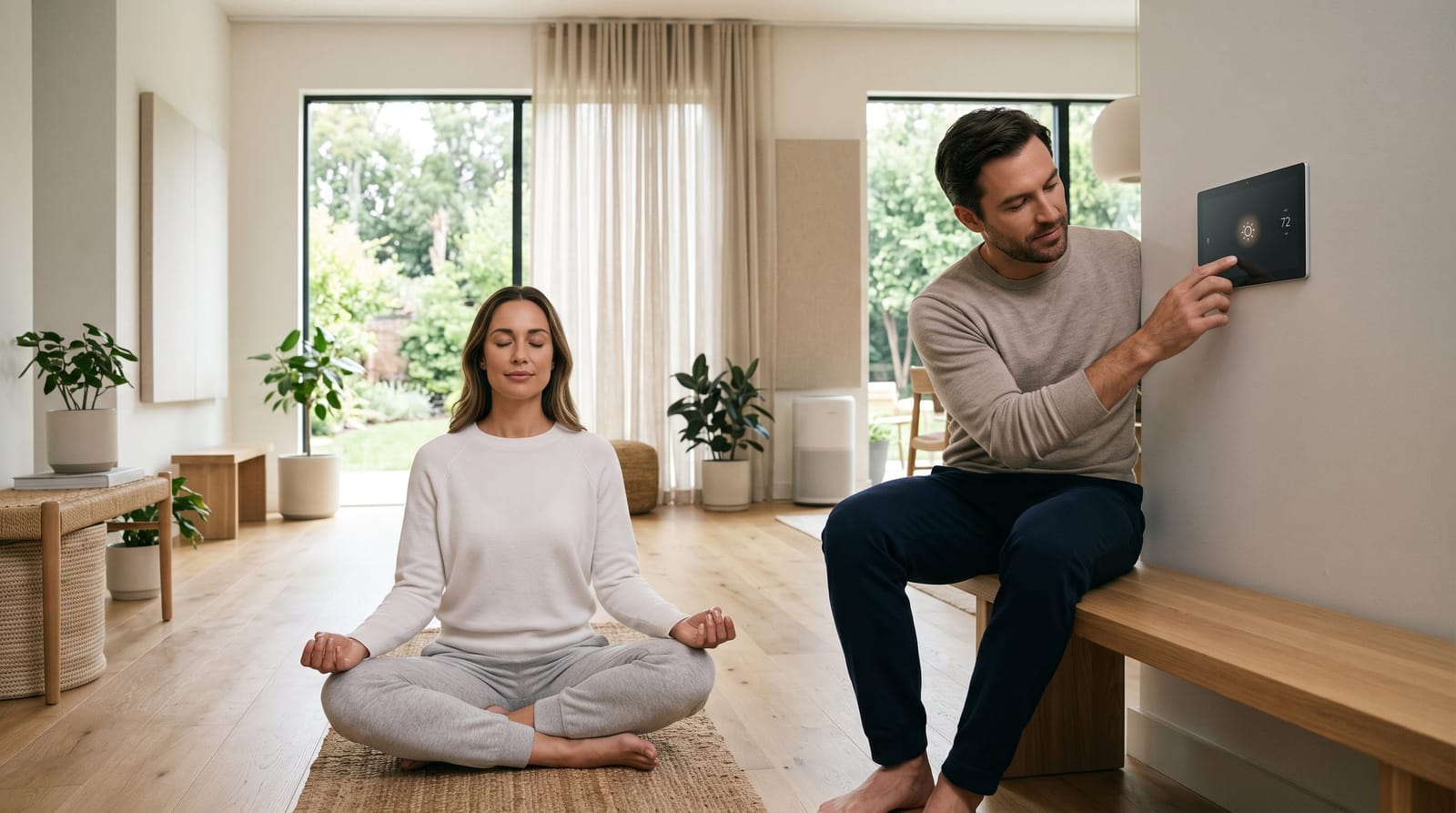
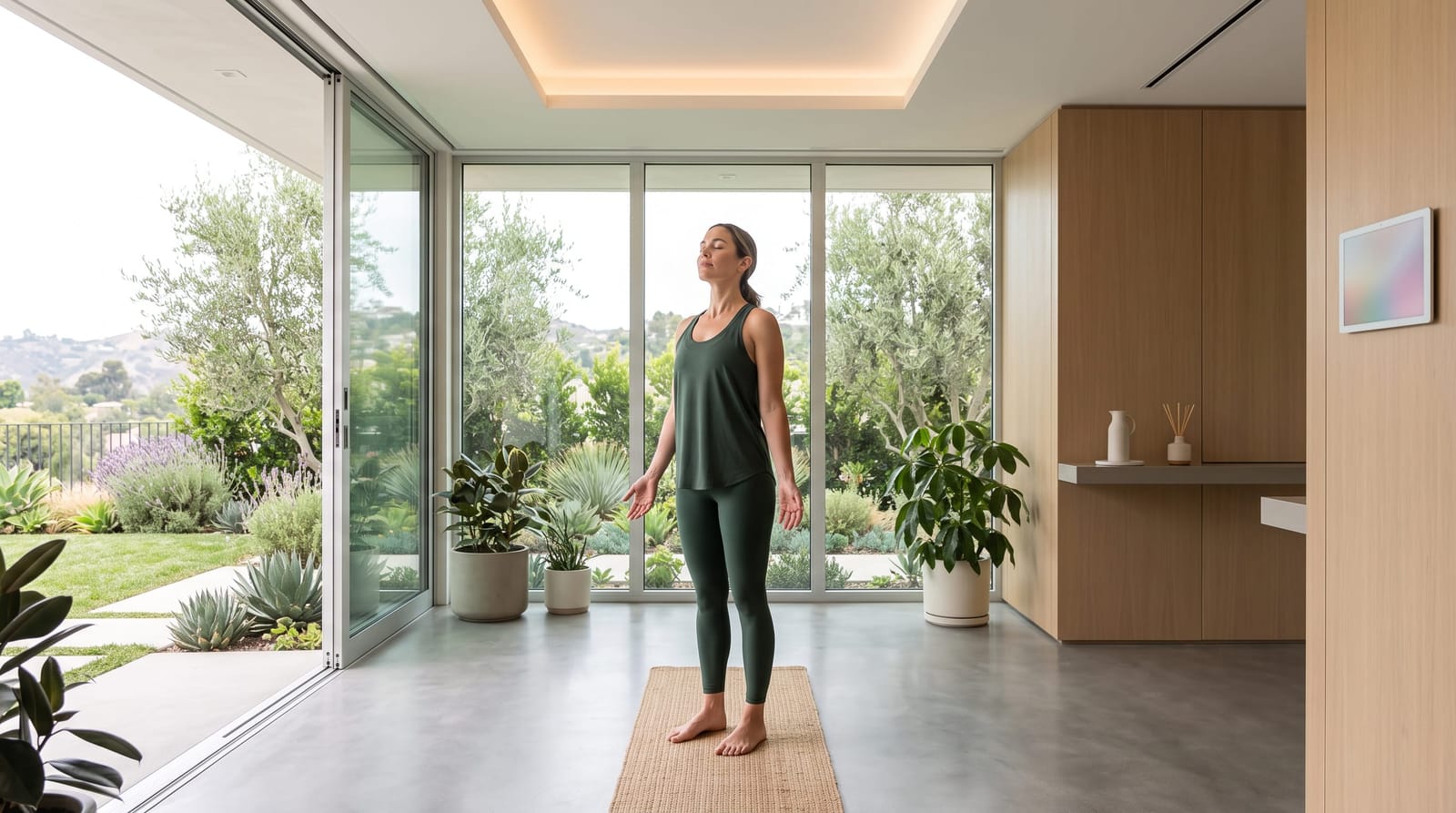
When most people think about a smart home, they picture convenience: lights that turn on automatically, locks you control from your phone, thermostats that learn your schedule. But the most forward-thinking luxury homeowners in Los Angeles are asking a more important question: what is my home doing for my health? Home wellness technology represents a fundamental shift in how we design and operate living spaces, treating the home not as a passive shelter but as an active system that supports physical and mental well-being around the clock. If you're exploring a wellness smart home system for your luxury home, understanding the core technology pillars is the essential first step. This guide breaks down five key systems, circadian lighting, indoor air quality, motorized shading, whole-home audio, and automation control, explaining what each does, why it matters for your health, and how they work together on a unified platform.
1. Prioritize Circadian Lighting: Your Body Clock Depends on It
Of all the home wellness technologies available today, circadian lighting may deliver the most measurable impact on daily health. The human circadian rhythm, the internal 24-hour biological clock that governs sleep, hormone production, alertness, and mood, is primarily regulated by light. Specifically, it responds to the color temperature and intensity of light it receives throughout the day. Artificial lighting in conventional homes disrupts this process almost entirely, exposing occupants to the same cool, blue-enriched light at 9 PM that their biology interprets as midday.
Circadian lighting systems, by contrast, are programmed to mirror the natural arc of daylight. In the morning, fixtures emit higher-intensity light in the 5,000-6,500 Kelvin range, which suppresses melatonin and promotes alertness. Through the afternoon, color temperature gradually transitions toward warmer tones. By evening, the system shifts to amber-toned light below 3,000 Kelvin, signaling to the brain that nighttime is approaching and allowing melatonin production to begin naturally.
Why This Matters for Luxury Homeowners
Research from Harvard Medical School has found that exposure to blue-spectrum light in the evening can suppress melatonin for approximately three hours longer than green light. Poor sleep is consistently linked to reduced cognitive performance, elevated stress hormones, and compromised immune response. A properly configured circadian lighting system addresses this at the source, inside your home, without requiring behavioral changes or supplementation. For homes spanning 5,000 square feet or more, this means zoning lighting across bedrooms, offices, kitchens, and living areas so each space reinforces the correct biological response at the correct time of day.
Leading home wellness technology platforms allow circadian programming to run automatically, adjusting every fixture in the home on a continuous schedule tied to your geographic location and sunrise/sunset data. You don't manage it: it manages itself.
2. Invest in Indoor Air Quality Systems: What You Can't See Is Affecting You
The Environmental Protection Agency has reported that indoor air can be two to five times more polluted than outdoor air, and in some cases, up to 100 times worse. For homeowners in Los Angeles, where wildfire smoke, urban particulate matter, and construction activity are ongoing realities, indoor air quality (IAQ) is not a luxury feature. It is a health necessity.
A comprehensive home wellness technology approach to IAQ typically involves three integrated layers:
- Filtration: Whole-home HEPA or MERV-rated filtration systems that capture particulate matter, allergens, and fine particles down to 0.3 microns.
- Purification: Technologies including UV-C light exposure, activated carbon filters, and bipolar ionization that neutralize volatile organic compounds (VOCs), bacteria, mold spores, and airborne pathogens.
- Real-time monitoring: Sensor networks that continuously measure PM2.5 particulate levels, CO2 concentration, humidity, and VOC presence, feeding data to your central automation platform.
The CO2 Factor Most Homeowners Overlook
One of the most underappreciated indoor air quality metrics is carbon dioxide concentration. CO2 levels in poorly ventilated rooms can climb above 1,000 parts per million within an hour of occupancy: a level that research published in the journal Environmental Health Perspectives associates with a 15% decline in cognitive function and decision-making. Smart IAQ systems trigger fresh air exchange automatically when CO2 sensors detect rising concentrations, keeping occupants in the optimal range without any manual intervention. This is home wellness technology working invisibly and continuously on your behalf.
3. Install Motorized Shading: Light Control That Goes Beyond Privacy
Motorized shading systems are frequently sold on aesthetics and convenience, and while both are valid for a luxury property, the deeper value proposition is wellness-driven. Shading is the physical layer that works in tandem with your circadian lighting system, controlling the amount, timing, and quality of natural daylight entering each room throughout the day.
Daylight is the most powerful circadian signal available: far stronger than any artificial source. A well-programmed motorized shading system uses astronomical scheduling to manage how natural light interacts with each room based on its orientation, the time of day, and the season. East-facing bedroom shades open gradually at sunrise to deliver a natural wake signal. West-facing living area shades deploy in the late afternoon to prevent the glare and heat gain that disrupts evening comfort. Blackout shades in sleeping areas descend fully at a programmed time each evening, eliminating the light pollution that compromises sleep quality in urban environments.
Thermal Comfort and Energy Integration
Beyond light management, motorized shading contributes to thermal wellness: the regulation of radiant heat that affects physical comfort, sleep temperature, and HVAC efficiency. Solar shades with low solar heat gain coefficients (SHGC) can reduce solar heat gain through glass by up to 80%, meaningfully reducing the thermal load in rooms during California's warm months. When integrated with your smart home automation platform, shading, HVAC, and lighting work together as a single thermal comfort system rather than three separate controls you adjust independently.
4. Design a Whole-Home Audio Environment: Sound Shapes Stress More Than You Think
The connection between sound environments and physiological stress response is well-documented. Studies from the World Health Organization have linked chronic exposure to unwanted noise with elevated cortisol levels, disrupted sleep patterns, and increased cardiovascular risk. Whole-home audio is home wellness technology precisely because it gives you active control over your sonic environment: allowing you to replace stress-inducing sound with intentional, health-supportive audio experiences.
In a properly designed luxury audio system, every zone of the home can deliver a different audio experience simultaneously. A morning spa shower can receive energizing music. A home office can stream binaural focus audio or white noise calibrated to improve concentration. A bedroom can play sleep-optimized soundscapes as the lighting dims and the shades close, all triggered by a single "good night" scene automation.
Acoustic Architecture and Speaker Placement
The technology is only as effective as the acoustic environment it operates within. Luxury wellness-focused audio installations account for room acoustics, speaker placement geometry, and audio calibration to ensure sound reproduction at volumes that support relaxation without distortion or strain. Distributed audio systems from brands operating at the top of the market offer per-room equalization and volume normalization, so audio transitions between zones feel seamless and consistent. This is particularly valuable in open-plan Los Angeles residences where indoor and outdoor living spaces flow together.
5. Unify Everything on a Single Automation Control Platform
Each of the four systems above delivers genuine health value independently. But the defining capability of a true home wellness technology ecosystem is unified integration: the ability to orchestrate lighting, air quality, shading, audio, and dozens of other subsystems from a single intelligent platform that understands context, responds to conditions, and executes complex multi-system scenes without manual coordination.
This is where platforms like Control4, Crestron, Lutron, and Savant become the connective infrastructure of a wellness smart home. Rather than operating separate apps for your shading, lighting, and audio, a central platform creates conditional logic: when indoor PM2.5 levels exceed a threshold, increase fresh air exchange and notify the homeowner. When you enter the home gym at 6 AM, activate high-intensity circadian lighting, open specific shades for natural light, and begin your morning playlist. When the bedtime scene is triggered, dim all lighting to warm tones, close all window treatments, activate the bedroom air purifier, and lower audio to a sleep-optimized level across the floor plan.
Choosing the Right Platform
Not all smart home platforms support the full range of wellness integrations. If you're evaluating your options, understanding which smart home platforms support wellness integrations is a critical step before committing to hardware. The platform layer also fundamentally determines the difference between a wellness-focused system and a standard smart home: a distinction worth exploring in depth if you're comparing approaches to home automation investment. For a deeper look at how these two categories differ in design philosophy and health outcomes, the piece on wellness smart home vs standard smart home provides a useful side-by-side analysis.
How These Five Systems Work Together as a Wellness Ecosystem
The most important concept in home wellness technology is not any individual system: it is the compound effect that emerges when multiple systems are designed and programmed to work in concert. A circadian lighting schedule that isn't reinforced by appropriate shading management is working against itself. An IAQ system that isn't integrated into your automation platform can't respond dynamically to occupancy or outdoor air quality events. Audio environments that aren't coordinated with lighting and shading scenes deliver a fraction of their potential wellness impact.
The architecture of a wellness smart home, from the technology specifications selected to the programming logic applied to the integration design, reflects a fundamentally different intention than a standard smart home build. If you're approaching this process from the beginning, reviewing the principles behind wellness smart home design in Los Angeles will help frame how these technology choices connect to architecture, interior design, and long-term lifestyle goals.
For Los Angeles homeowners in the $3M+ property tier, the question is rarely whether to incorporate home wellness technology: it's how to implement it in a way that performs reliably, integrates cleanly with the existing structure, and delivers a daily experience that justifies the investment.
Related Topics Worth Exploring
If you're building out your understanding of wellness smart home systems, two supporting topics are particularly relevant to the technology layer covered here. First, understanding which smart home platforms are designed to support wellness-grade integrations, including lighting protocols, IAQ sensor compatibility, and scene-based automation logic, will directly inform your system specification decisions. Second, if you're comparing a wellness-focused build against a more conventional smart home upgrade, the distinctions in capability, health outcomes, and long-term value are significant enough to warrant careful consideration before committing to an integration path.
Conclusion
Home wellness technology is not a single product or a marketing category: it is a connected ecosystem of systems working together to support your health at every hour of the day. Circadian lighting regulates your biology. Indoor air quality systems protect your respiratory health and cognitive clarity. Motorized shading manages the light and thermal environment your body responds to. Whole-home audio shapes your stress response and sleep quality. And a unified automation platform brings all of it under intelligent, responsive control. For luxury homeowners in Los Angeles who view their property as a long-term health asset, these five technology pillars represent the foundation of a genuinely wellness-driven home. To explore how these systems come together in a custom installation designed for your property, reach out to our team for a consultation.