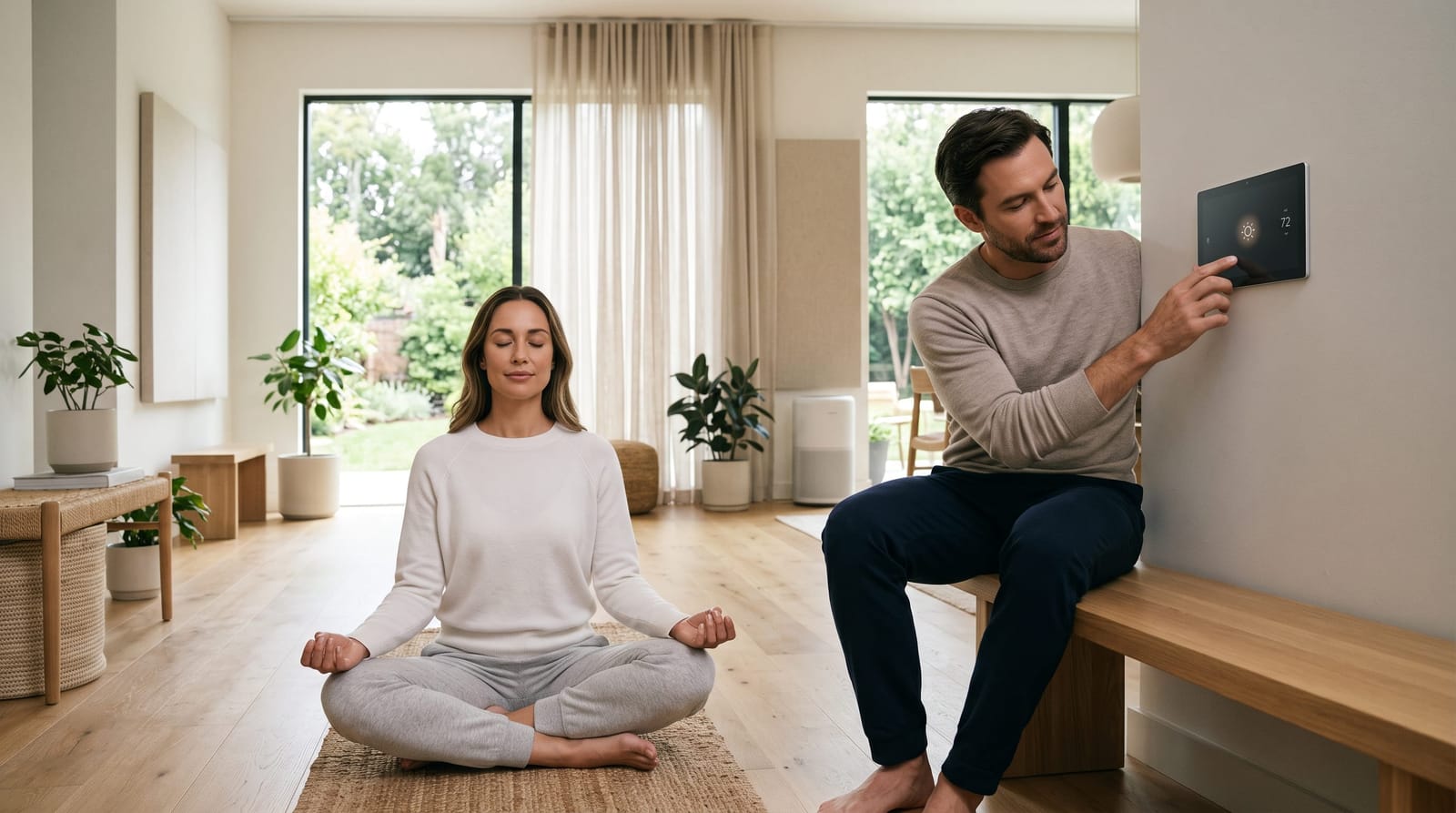
Wellness Smart Home vs. Standard Smart Home: What Is the Difference?
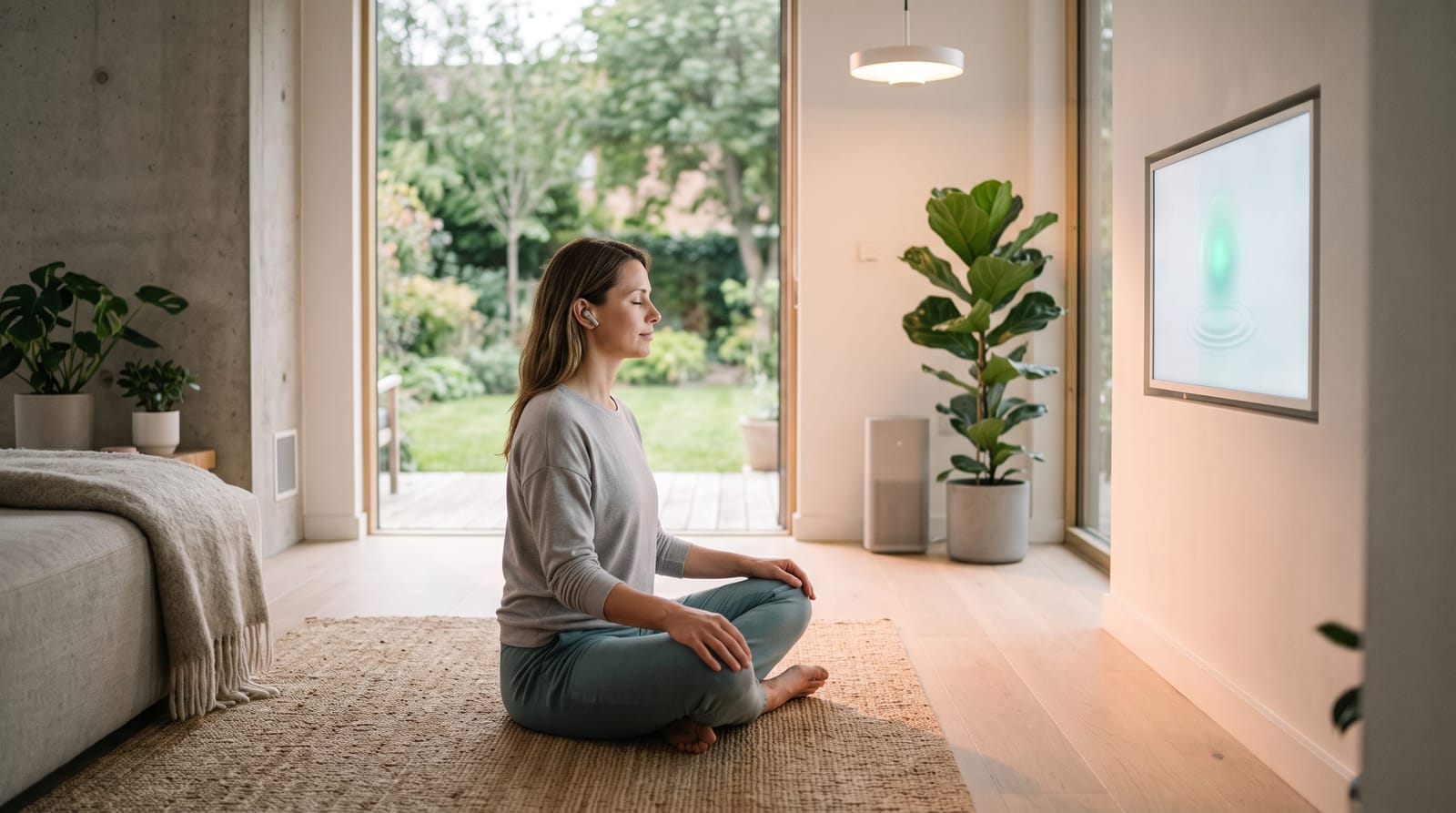
If you've been exploring smart home technology for your Los Angeles property, you've likely noticed that not all systems are created equal. The phrase "smart home" gets applied to everything from a Wi-Fi thermostat to a fully integrated health-optimization environment, and the gap between those two things is enormous. Understanding the wellness smart home vs standard smart home distinction is essential before making a significant investment. This post breaks down exactly what separates a health-focused system from a convenience-focused one, so you can make an informed decision aligned with your lifestyle and long-term well-being goals.
The Core Philosophy: Convenience vs. Well-Being
The most fundamental difference between a wellness smart home vs standard smart home lies not in the gadgets themselves, but in the underlying design philosophy.
A standard smart home is engineered for convenience and efficiency. It automates routine tasks: locking doors, dimming lights, adjusting the thermostat remotely, playing music through connected speakers. The goal is to reduce friction in daily living. These systems are reactive: they respond to commands or simple schedules. They answer the question, How do I make my home easier to manage?
A wellness smart home asks an entirely different question: How can my home actively support my physical and mental health? The system is designed proactively, with sensors, algorithms, and integrations that monitor environmental conditions and adapt in real time to optimize your biological rhythms, cognitive performance, and recovery. Convenience is a byproduct, not the point.
For luxury homeowners in Los Angeles, this distinction carries real weight. A $5M home with a standard automation system is still just a house. A wellness-integrated home is a functioning health environment: one that works on your behalf around the clock.
What a Standard Smart Home Actually Includes
To appreciate the difference, it helps to define what a standard smart home typically delivers:
- Smart lighting: Schedules and voice/app control, but no consideration of color temperature, melanopic lux levels, or circadian alignment
- Smart thermostats: Energy efficiency and remote control, without monitoring how temperature fluctuations affect sleep quality or immune function
- Security automation: Cameras, smart locks, and motion sensors focused on perimeter protection
- Entertainment integration: Multiroom audio, smart TVs, and streaming control
- Basic voice control: Alexa, Google Home, or Siri as command interfaces
These features are genuinely useful. But they're agnostic to your health. A standard smart home doesn't know or care whether the air you're breathing contains elevated particulate matter, whether your evening lighting is suppressing melatonin production, or whether the acoustic environment in your bedroom is disrupting restorative sleep.
What a Wellness Smart Home Adds: The Health-Oriented Layers
A wellness smart home builds on the convenience foundation of a standard system and adds multiple health-oriented technology layers that are absent in conventional automation. These are the defining features that justify the premium investment:
Air Quality Management
Wellness systems integrate continuous indoor air quality monitoring: tracking particulate matter (PM2.5), VOCs, CO₂ levels, humidity, and allergens in real time. When levels rise above healthy thresholds, the system automatically activates HEPA filtration, adjusts HVAC fresh air intake, or alerts occupants. In Los Angeles, where wildfire smoke and urban pollution are persistent concerns, this layer alone represents a meaningful health differentiator from any standard automation setup.
Circadian Lighting Systems
Standard smart lighting gives you on/off control and maybe color options. Wellness lighting is calibrated to your biology. Circadian lighting systems adjust color temperature and intensity throughout the day: bright, blue-enriched light in the morning to support alertness and cortisol rhythms, transitioning to warm amber tones in the evening to support natural melatonin onset. This isn't aesthetic; it's physiological. The difference between a well-designed circadian lighting protocol and standard smart bulbs is measurable in sleep quality and daytime cognitive performance. Those interested in exploring how different platforms handle these integrations can review smart home platform wellness integration options in detail.
Biophilic Design Support
Wellness homes are frequently designed with biophilic principles: connecting occupants to natural elements that reduce stress and support psychological restoration. Smart systems support this by managing automated window treatments to maximize natural light exposure at key times, controlling living walls or indoor plant irrigation systems, regulating water features, and even synchronizing interior environments with outdoor weather patterns. Standard smart homes may automate shades, but not with any awareness of how light exposure at specific times of day affects mood and circadian health.
Acoustic and Thermal Optimization
Wellness systems treat sound and temperature as health variables, not just comfort preferences. Acoustic zoning can create quiet environments during sleep or deep work periods, while thermal mapping ensures consistent temperatures room-by-room based on occupancy patterns and optimal sleep science parameters. These features require sophisticated sensors and integration that go well beyond a standard programmable thermostat.
The Investment Difference: and Why It Makes Sense at the Luxury Level
A standard smart home system for a high-end Los Angeles property might represent a meaningful but relatively modest technology investment. A fully integrated wellness smart home system, with medical-grade air quality sensors, calibrated circadian lighting, biophilic environment controls, and centralized health dashboards: represents a significantly larger one. The question worth asking isn't whether a wellness system costs more. It does. The question is what you're purchasing.
For homeowners in the $3M+ market who are already investing in personal wellness through nutrition, fitness, and healthcare, the logic is straightforward: your home is where you spend the majority of your time. If that environment is actively working against your health, with stale air, biologically disruptive light, and poor acoustics, no amount of external wellness investment fully compensates. A wellness smart home closes that gap, turning the largest asset in your portfolio into an active contributor to your physical and mental health.
It's worth noting that specific health outcomes vary by individual, and this content is educational in nature. For health-specific questions, consulting a licensed healthcare professional is always advisable.
Frequently Asked Questions
Can a standard smart home be upgraded to a wellness smart home?
In many cases, yes: existing automation infrastructure can be expanded with wellness-specific hardware and software integrations. The extent of the upgrade depends on your current platform, wiring infrastructure, and the health features you want to prioritize. A professional assessment is the best starting point for understanding what's feasible in your specific home.
What is the most impactful wellness feature to add first?
Air quality monitoring and management is widely considered one of the highest-impact starting points, particularly in Los Angeles where both outdoor pollution and indoor off-gassing from building materials are legitimate concerns. Circadian lighting is another high-value early investment given its direct relationship to sleep quality. That said, the right starting point depends on your individual health priorities and existing home conditions.
Do wellness smart home systems require proprietary platforms?
Not necessarily. Several leading wellness integrations are designed to work across multiple smart home platforms, including Matter-compatible ecosystems. The key is ensuring your chosen platform has robust API support for health-oriented devices. Reviewing which platforms offer the strongest wellness device ecosystems before committing to a system architecture is a smart step in the planning process.
Is a wellness smart home only relevant for large luxury properties?
While the full suite of wellness integrations is most commonly implemented in larger luxury properties where dedicated zones and multiple systems can be optimized, the underlying philosophy scales. Even a smaller residence can benefit from air quality sensors, circadian lighting, and smart acoustic management. The investment level and system complexity scale with property size, but the health rationale applies broadly.
The Bottom Line
The wellness smart home vs standard smart home comparison ultimately comes down to intent. Standard systems automate your home for convenience. Wellness systems engineer your home for health. For luxury homeowners in Los Angeles who view their residence as an extension of their overall well-being strategy, the additional layers of air quality management, circadian lighting, and biophilic design support represent a logical and meaningful evolution beyond conventional automation. If you're exploring this space further, the complete Wellness Smart Home Systems guide provides a comprehensive foundation for understanding how these systems work together as an integrated whole.