Motorized Shades for UV Protection and Temperature Control in Southern California Homes
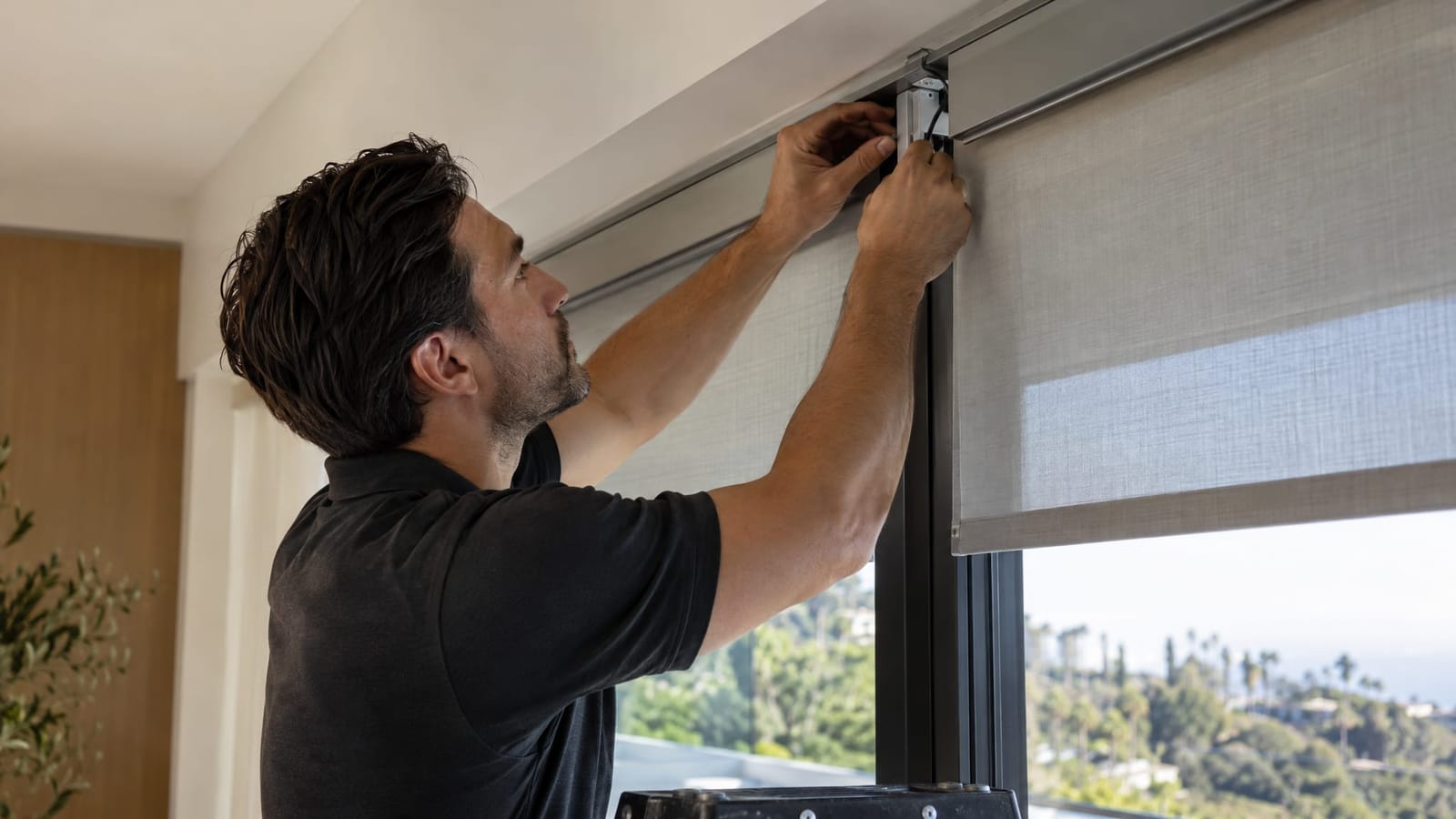
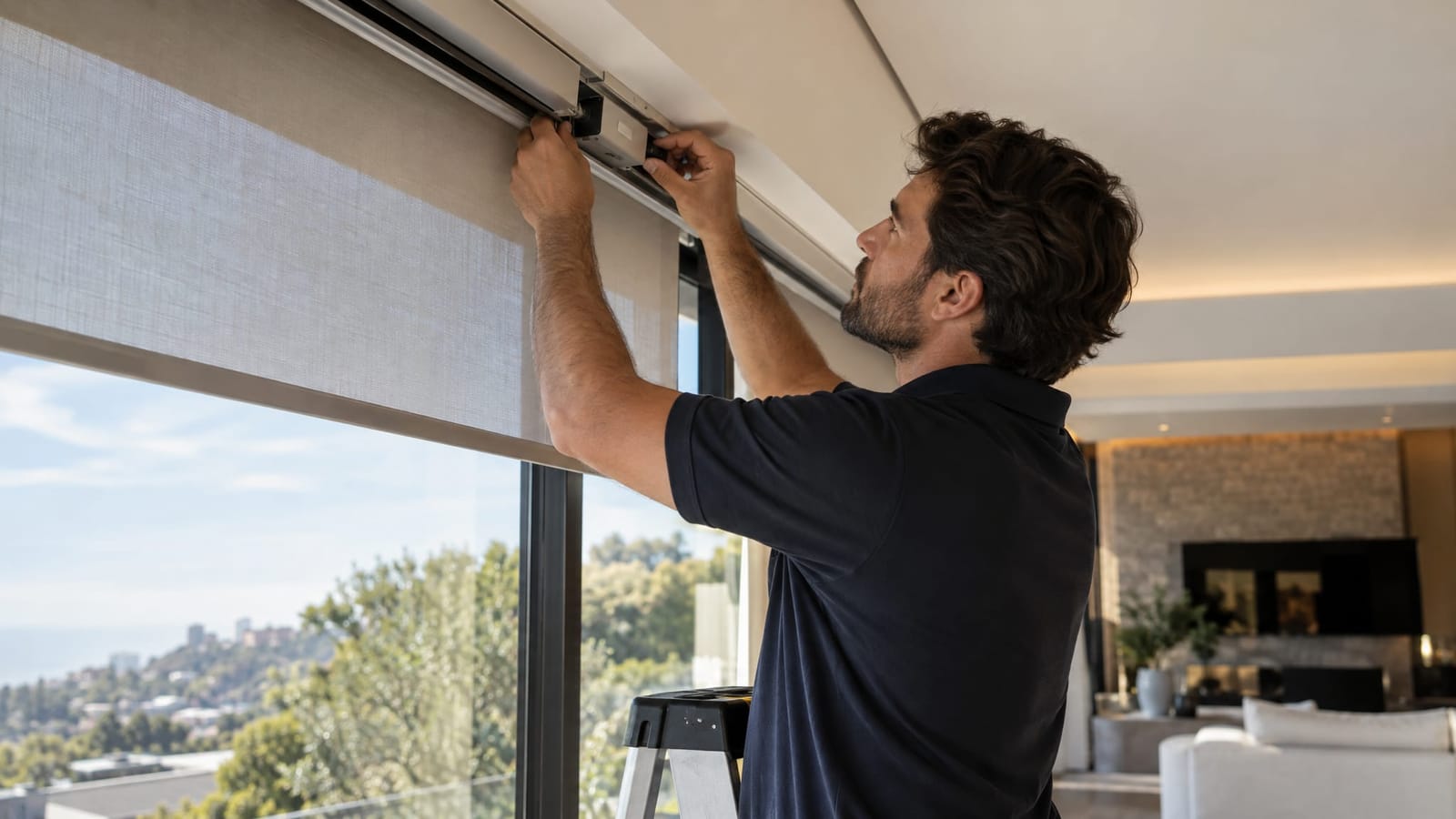
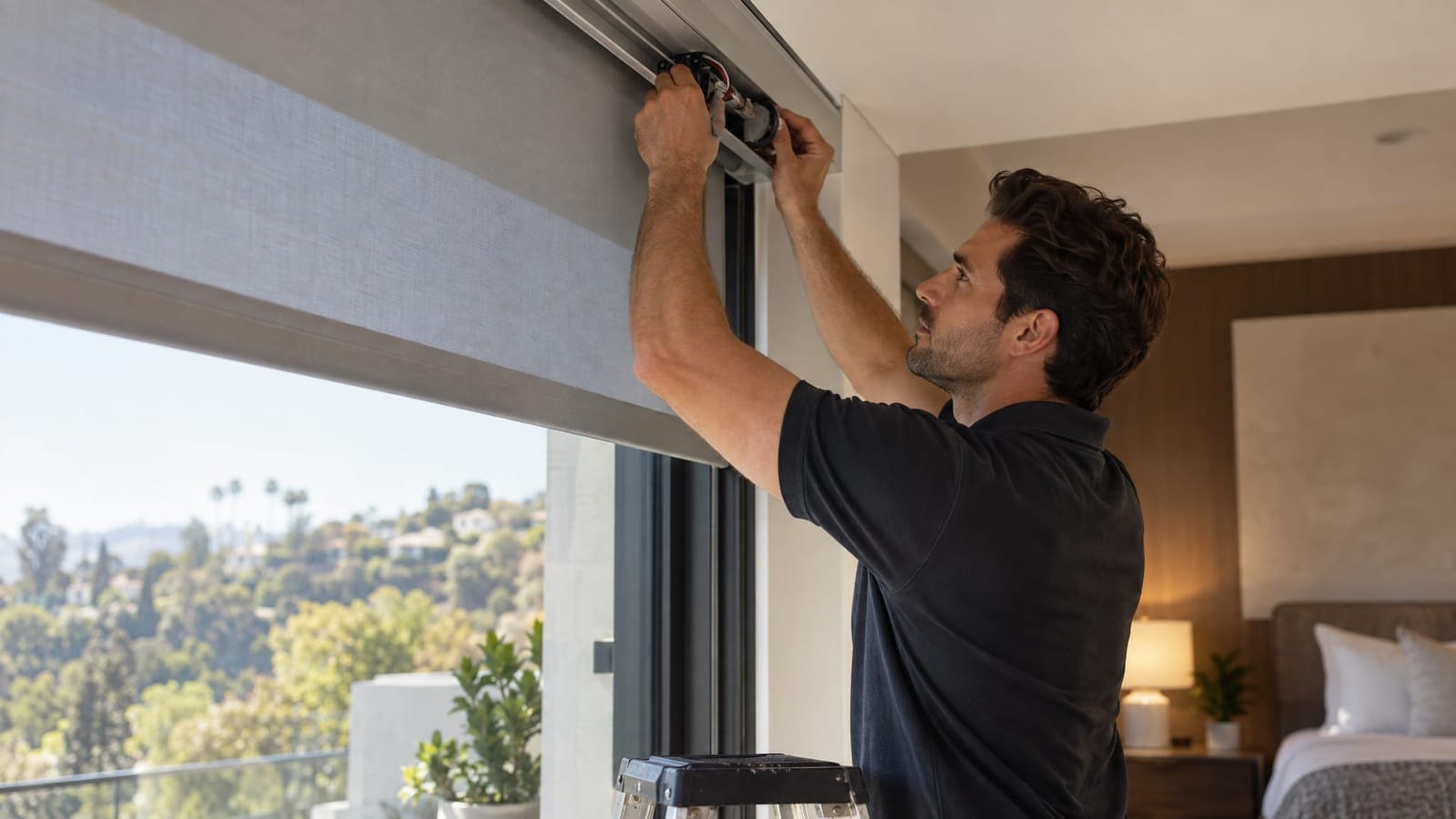
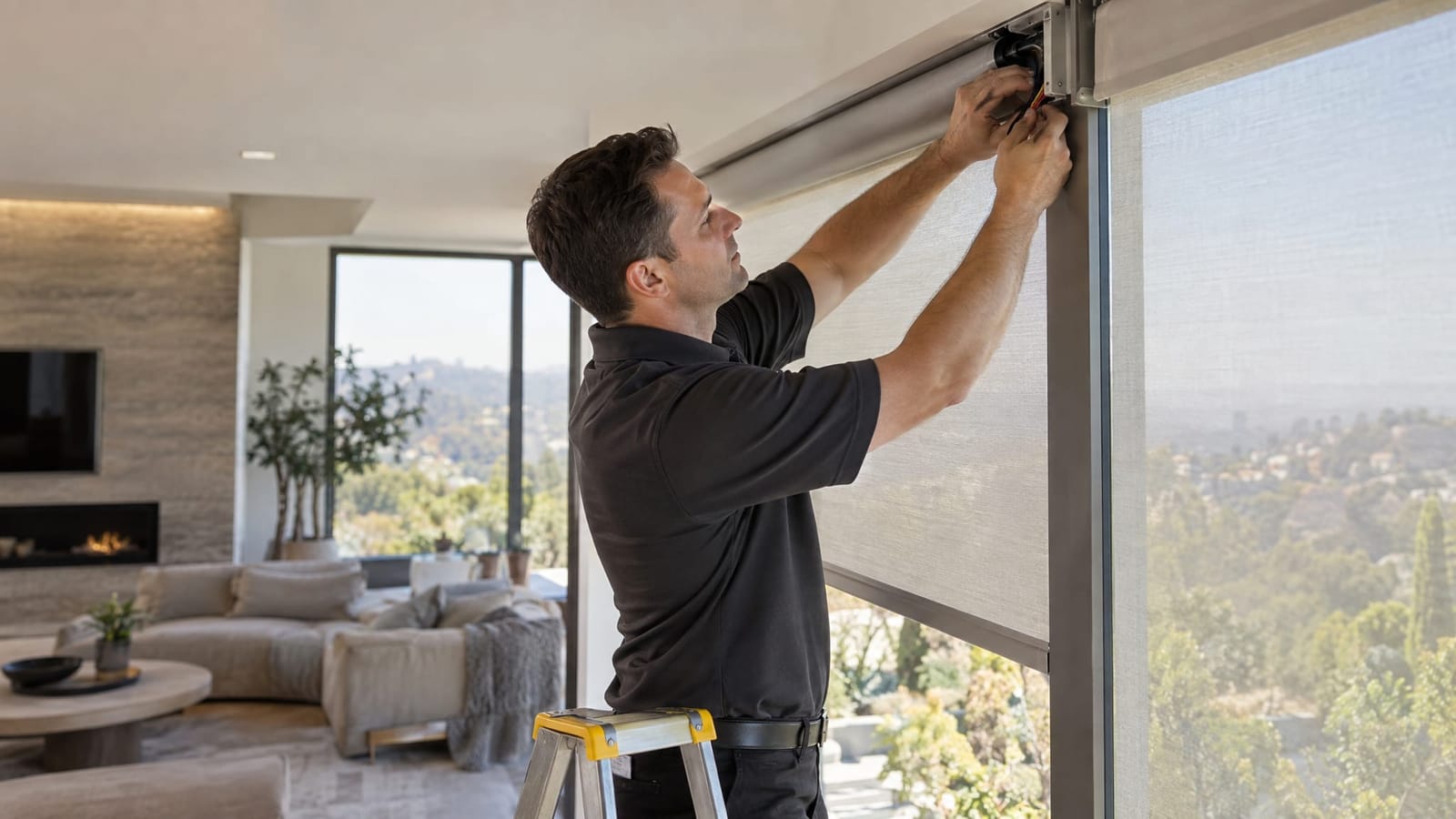
Motorized shades help manage direct sunlight before it overwhelms a room with glare and heat. The right fabric also reduces ultraviolet exposure on furnishings and finishes. For Southern California homes with expansive glazing, the most effective approach is to match the shade to each window’s exposure, then automate its movement around the way sunlight enters the home.
Solar sheer fabrics suit rooms where daylight and views remain priorities. Blackout fabrics serve spaces that need stronger light control. Dual-shade systems combine both functions at the same window. The motor does not determine UV protection or thermal performance; it makes the chosen shade easier to use consistently.
The distinction matters in a glass-lined living room, a west-facing bedroom or a coastal dining space. Each may need a different balance of filtered light, privacy and protection, even within the same home.
UV Protection, Glare and Heat Are Different Problems
Sunlight creates several overlapping challenges, but solving one does not automatically solve the others.
- UV exposure: Ultraviolet light contributes to fading and deterioration of furnishings and finishes. A shade fabric’s UV performance matters more than whether it simply looks dark or dense.
- Glare: Bright windows and direct sun can make screens difficult to view or create uncomfortable contrast around seating areas. Fabric selection and shade position determine how much brightness reaches the room.
- Solar heat gain: Sunlight passing through glass warms interior surfaces. Managing that exposure helps limit the additional cooling load.
UV protection does not eliminate every cause of fading. Visible light and heat also contribute, so even a fabric with strong UV performance is not a complete preservation strategy for artwork, rugs or delicate upholstery. Positioning sensitive pieces outside the path of direct sunlight remains useful.
Likewise, a fabric that reduces glare is not necessarily the strongest option for heat control. Evaluate those characteristics separately rather than treating “sun protection” as a single specification.
Choose the Shade System Around the Room’s Priorities
Solar Sheer Shades: Filtered Daylight and a Connection Outdoors
Solar sheer shades, often called solar screens, filter sunlight through an open-weave fabric. They are a practical starting point for living rooms, kitchens and circulation spaces where the goal is to soften direct light rather than darken the room.
A key selection factor is openness, the amount of open space in the weave. A tighter weave generally trades some outward visibility for stronger light screening. A more open weave preserves more of the view but allows more direct light through. Openness alone is not a substitute for the fabric’s stated UV and solar performance.
Color also affects the experience. Darker screen fabrics often make the outdoor view easier to see, while lighter fabrics create a brighter visual surface at the window. Compare samples against the actual landscape and interior finishes rather than selecting from a small swatch under showroom lighting.
Solar sheers are not a dependable nighttime privacy layer. When the interior is illuminated and the exterior is dark, visibility through the fabric changes. Rooms that need evening privacy benefit from a separate opaque treatment.
Blackout Shades: Stronger Light Control
Blackout fabric blocks light through the fabric itself. It suits bedrooms, media rooms and other spaces where darkness takes priority over maintaining a view.
The distinction between blackout fabric and a fully darkened room is important. Light can still enter around the sides, top and bottom of a roller shade. Mounting position, overlap and perimeter treatments affect the finished result. A bedroom intended for daytime sleep calls for different detailing than a living room that only needs reduced television glare.
Blackout also describes light transmission, not insulation. Thermal performance depends on the complete treatment, including its material, fit and relationship to the glass. Choosing blackout solely because it sounds more protective can leave a room unnecessarily dark without addressing the main source of heat as effectively as intended.
Dual-Shade Systems: Daytime Filtering and Evening Privacy
A dual-shade arrangement places a solar sheer and a blackout or opaque shade at the same opening, with each layer operating independently. The sheer filters daylight during the day; the opaque layer provides privacy or darkness when needed.
This is especially useful in a bedroom with a valued view or a living space that changes function after sunset. For example, the sheer can remain lowered during afternoon use while the blackout layer stays concealed until an evening film.
The tradeoff is space. Two rollers need more room than one, which affects the recess, headbox and mounting details. Dual shades are worth considering early in a construction or renovation project, before window pockets and adjacent finishes are finalized.
Automation Works Best When It Anticipates Sunlight
A shade lowered after the room becomes uncomfortable cannot remove heat already stored in sunlit floors and furnishings. Automation is most useful when it manages exposure before that buildup, while leaving unaffected windows open to daylight.
Rather than giving every shade the same schedule, organize control around the home’s orientation and use:
- East-facing breakfast areas: Filter direct morning sun where it reaches seating, while preserving daylight through other windows.
- West-facing living rooms: Lower the relevant shades before afternoon sunlight crosses the glazing and reaches upholstery or screens.
- Bedrooms: Separate daytime filtering from evening privacy so one setting does not have to serve both purposes.
- Large glass elevations: Group shades according to sun exposure, not simply because they share a wall.
Schedules need to reflect seasonal changes in the sun’s path. Where daylight-responsive controls are part of the system, the settings also need to avoid frequent movement caused by passing clouds. A simple manual override lets someone adjust the room without disrupting its usual routine.
At Smart Homes Innovations, we integrate motorized shades with lighting control and tailor the system to the homeowner’s lifestyle. Coordinating the two allows a room to shift from daylight filtering to evening lighting without treating every fixture and window covering as a separate task.
What Motorized Shades Contribute to Energy Efficiency
The energy benefit comes from managing solar heat gain, not from motorization alone. Keeping an appropriate shade in position during direct sun can reduce the amount of cooling needed to maintain the desired indoor temperature. Automation supports that strategy by making shade use consistent, including when a room is unoccupied.
The scale of the benefit depends on window orientation, glazing, shade fabric, coverage and operating schedule. A large west-facing window receiving direct afternoon sun presents a different opportunity from a shaded window beneath a deep overhang.
Interior shades are one part of the building’s overall temperature-control strategy. They do not replace suitable glazing, insulation or a properly designed cooling system. Nor does a standard roller shade automatically provide substantial insulation during cooler weather.
When evaluating energy savings from motorized shades in a Los Angeles home, focus first on which windows receive unwanted sun and whether the proposed treatment will be deployed during those hours. That is more useful than applying a general savings percentage to the entire property.
Preserve the Architecture While Controlling the Exposure
Effective shading does not require treating every opening identically. A coordinated appearance can coexist with different fabric requirements in different rooms.
Align Shade Divisions With the Window Design
Shade widths and divisions influence both the exterior appearance and the experience inside. Aligning them with window mullions creates a more deliberate composition. At sliding doors, consider how shade groups interact with everyday access so that managing sunlight does not make the doorway inconvenient to use.
Recessed pockets can conceal the rollers in new construction. In an existing home, a carefully proportioned fascia or integration with drapery can provide a finished appearance. Either approach needs room for operation and future service access.
Assess Views and Privacy From Both Directions
A fabric that looks discreet from inside may appear quite different from a terrace or neighboring property. Evaluate the window treatment during daylight and after dark, especially where large panes face outdoor living areas.
Coastal rooms bring the view into sharper focus as a design priority. The considerations for privacy and UV protection in Malibu beachfront homes include preserving the ocean outlook during the day while providing a distinct privacy layer for illuminated interiors at night.
What to Evaluate Before Finalizing the Specification
The most useful next step is a room-by-room exposure review, followed by fabric evaluation at the actual windows. Compare options against a short, specific set of requirements:
- Primary concern: Identify whether the room’s main issue is glare, direct sun on finishes, heat, privacy or darkness.
- Time of exposure: Note when sunlight reaches the seating, floor, artwork or screen, not just when the window appears bright.
- Fabric performance: Compare UV transmission, light transmission and solar performance separately from color and openness.
- Required coverage: Decide whether light filtering is sufficient or whether perimeter light control matters.
- Daily operation: Define which shades move together, which remain independent and how occupants override the routine.
A well-resolved shade plan gives each window a clear purpose. Some preserve a view while softening sunlight; others provide privacy or darkness. Automation brings those choices into daily use, allowing the home to retain its natural light without leaving every room exposed to the same intensity of sun.